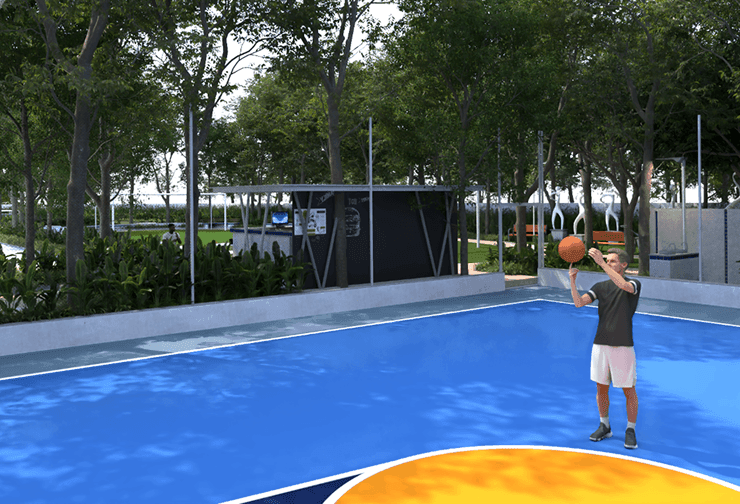
Homebuyer preferences have evolved significantly over the last decade. While amenities such as clubhouses, swimming pools, fitness centres, and indoor recreation facilities continue to be important, many families today are placing greater emphasis on something far more fundamental—open space.
The modern homebuyer is increasingly focused on overall quality of life rather than simply the number of amenities available within a residential community. Access to greenery, landscaped surroundings, walking paths, and outdoor gathering spaces has become a major consideration when evaluating a home.
This shift reflects changing lifestyle priorities. Families want healthier environments, children need safer outdoor spaces, and professionals seek opportunities to disconnect from increasingly busy schedules. As a result, open spaces are emerging as one of the most valuable components of contemporary residential communities.
The Changing Priorities of Homebuyers
A decade ago, homebuyers often evaluated projects based on the size of the clubhouse or the number of amenities offered.
Today, the conversation has changed.
Many families are spending more time at home than ever before. Remote work, hybrid work models, and changing lifestyle habits have increased the importance of having access to outdoor environments that support physical and mental well-being.
Rather than simply counting amenities, buyers now ask questions such as:
- How much open space does the community offer?
- Are there landscaped gardens and walking trails?
- Is there room for children to play safely?
- Can residents spend time outdoors comfortably?
These considerations are increasingly influencing purchasing decisions across Bangalore's residential market.
Open Spaces Improve Everyday Quality of Life
One of the biggest advantages of open spaces is their ability to improve everyday living.
Residents benefit from environments that feel less crowded and more comfortable. Access to landscaped surroundings creates opportunities for relaxation, recreation, and social interaction.
Whether it is an early morning walk, an evening stroll with family, or simply spending time outdoors after work, open spaces contribute to a more balanced lifestyle.
Unlike many amenities that may be used occasionally, open spaces often become part of residents' daily routines.
This consistent usage makes them one of the most valuable features within a residential community.
Why Families Value Outdoor Areas
Families with children often place a particularly high value on open spaces.
Safe outdoor environments encourage physical activity, creativity, and social interaction. Children can spend time outdoors, develop friendships, and participate in recreational activities without leaving the community.
Parents appreciate the convenience and peace of mind that comes from having access to secure outdoor areas close to home.
As urban environments become denser, access to meaningful outdoor space has become increasingly important for family-oriented communities.
The Connection Between Green Spaces and Well-Being
Research consistently highlights the positive impact of green environments on physical and mental health.
Landscaped surroundings can help reduce stress, encourage physical activity, and improve overall well-being. Access to nature provides a welcome contrast to the fast-paced urban lifestyle experienced by many professionals.
For residents, these benefits extend beyond aesthetics.
Green spaces create environments that support relaxation, healthier habits, and a stronger connection with the surrounding community.
This is one of the reasons modern homebuyers increasingly prioritise open spaces when evaluating residential options.
Open Spaces Support Work-Life Balance
The growing adoption of hybrid and remote work has changed how people use their homes.
Many professionals now spend a significant portion of their day within their residential communities. As a result, access to outdoor environments has become increasingly valuable.
Open spaces provide opportunities to:
- Take breaks between meetings
- Exercise during the day
- Spend time outdoors with family
- Reduce screen fatigue
- Improve overall productivity
Communities that provide access to landscaped environments often create a healthier balance between professional and personal life.
This shift has contributed to the growing demand for larger homes and thoughtfully planned residential communities.
Why Open Spaces Often Outperform Amenities
Amenities remain important, but their value depends largely on how frequently residents use them.
A clubhouse or indoor facility may only be used occasionally. Open spaces, however, often become an integral part of daily life.
Residents regularly use:
- Walking paths
- Parks
- Gardens
- Outdoor seating areas
- Recreational lawns
Because of their versatility, open spaces often deliver greater long-term value to residents than many traditional amenities.
For homebuyers, this makes open space allocation an important factor when comparing residential communities.
Community Design Plays a Major Role
The effectiveness of open spaces depends on how they are integrated into the overall community design.
Thoughtfully planned developments ensure that green areas are accessible, functional, and distributed throughout the community. This encourages greater usage while creating a more attractive residential environment.
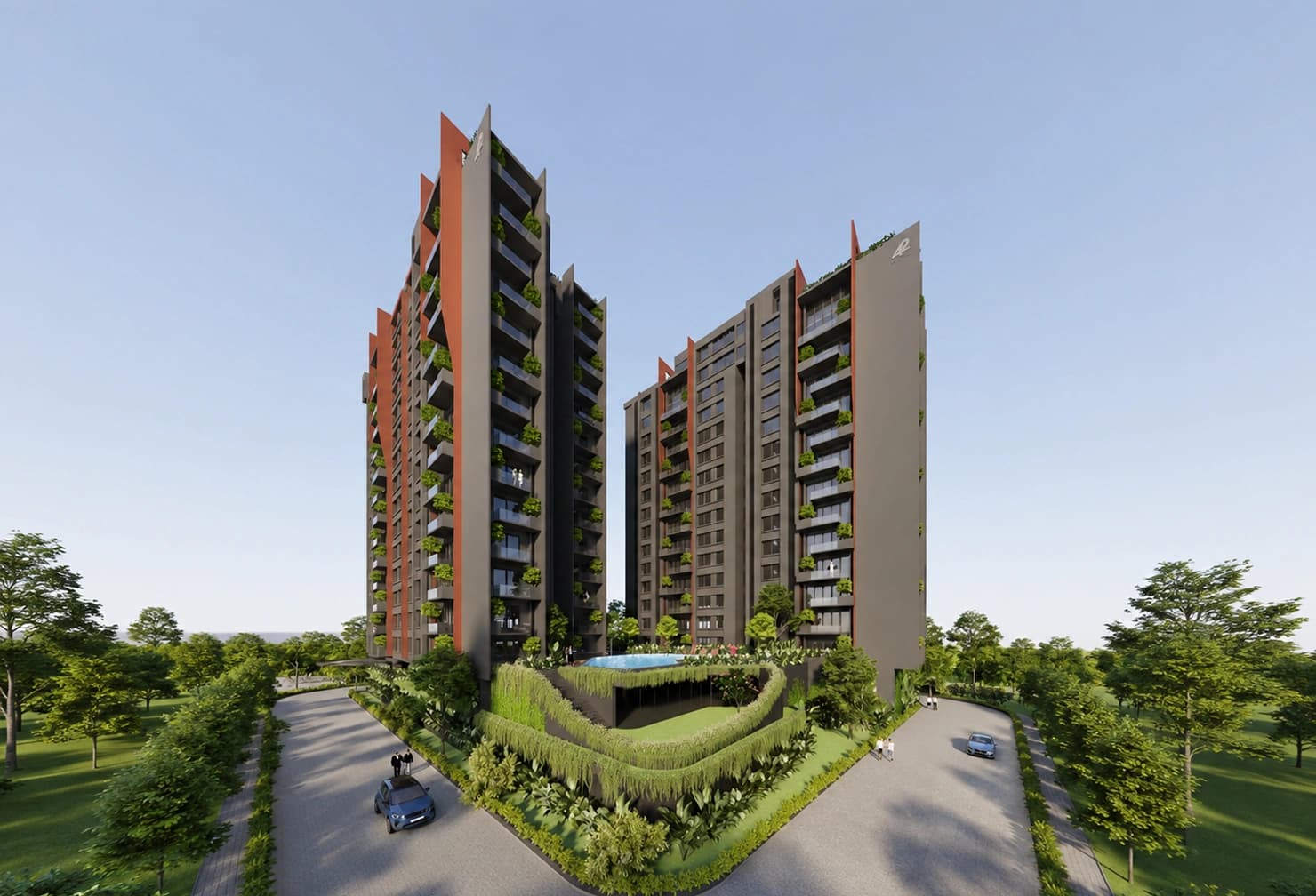
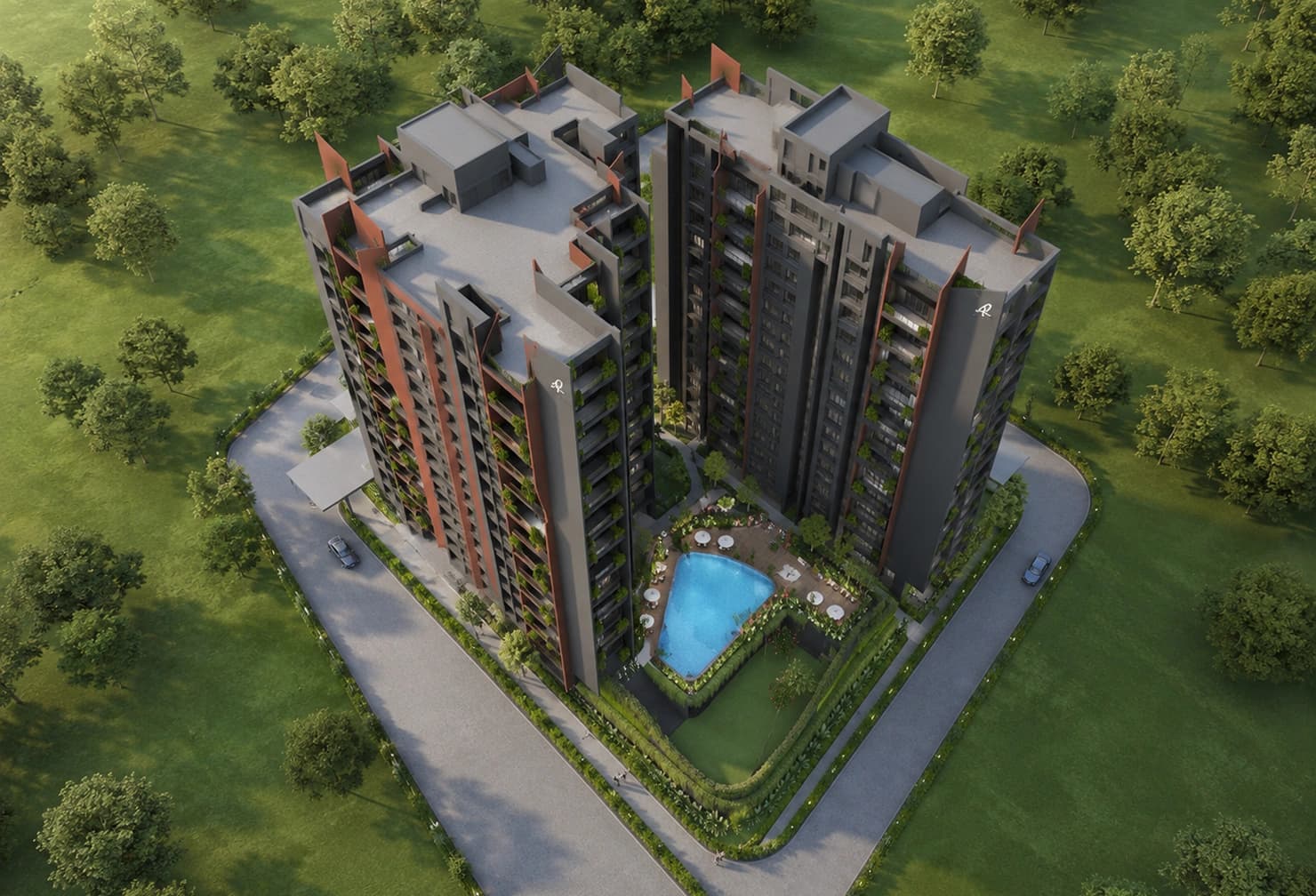
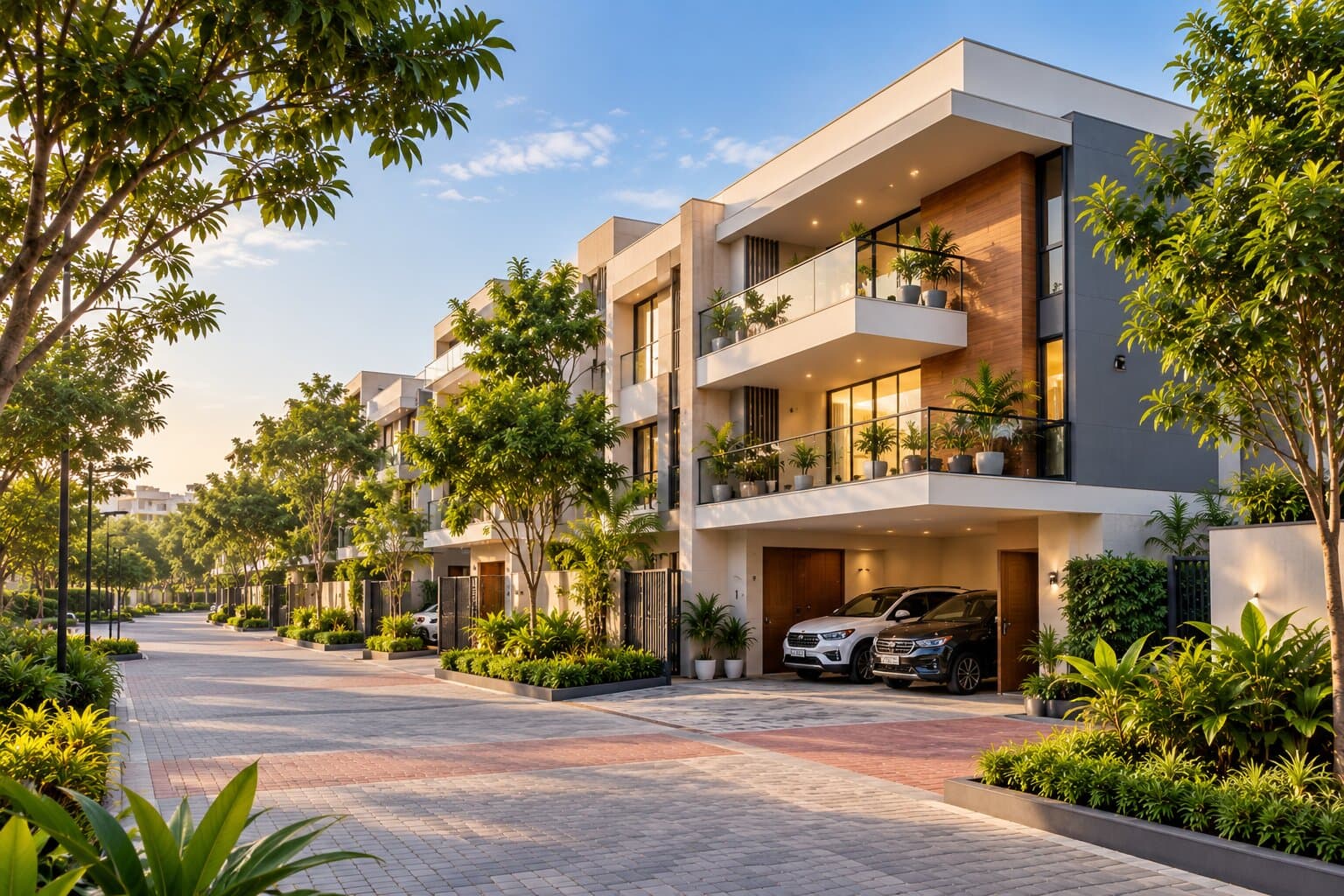
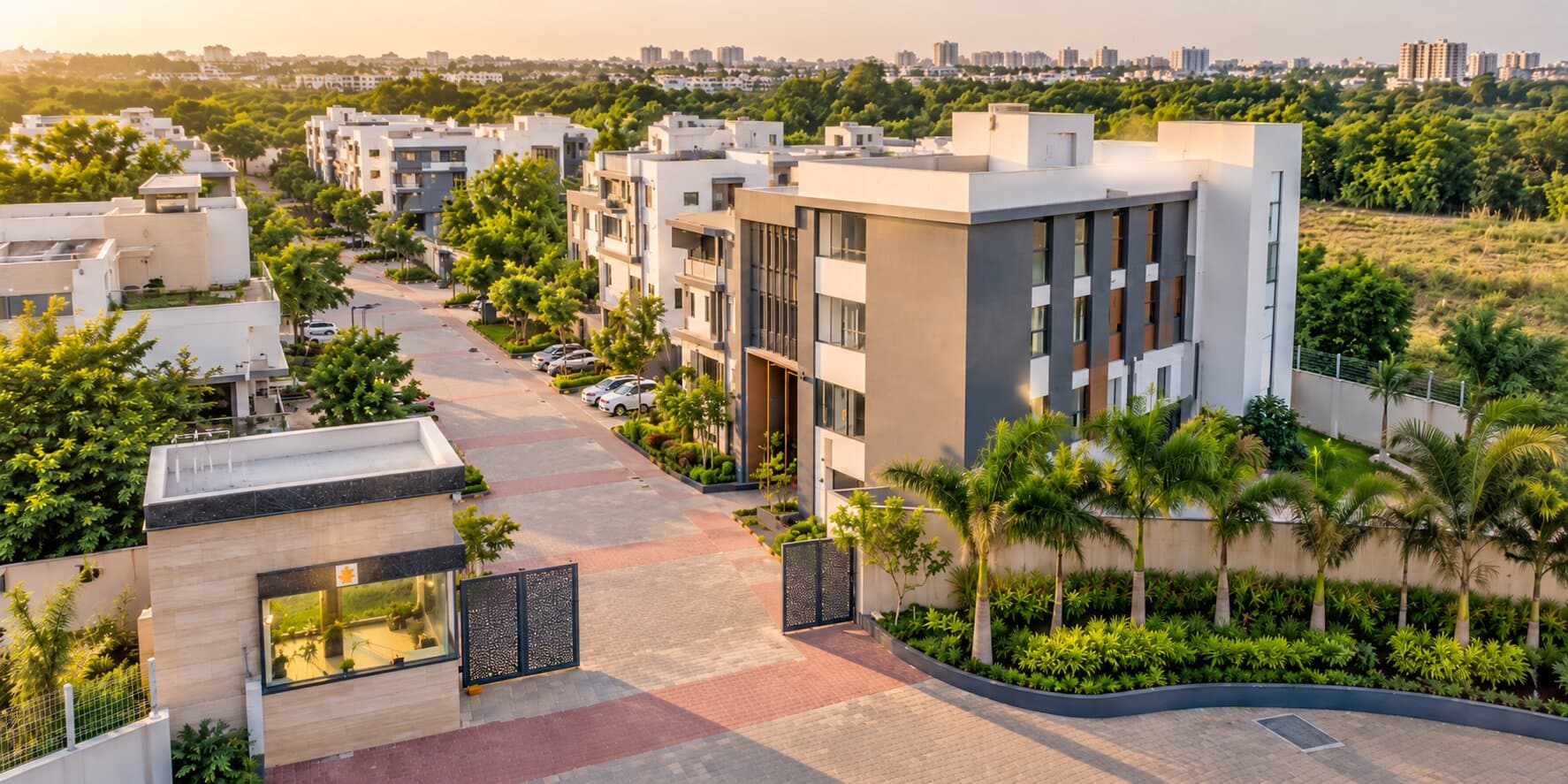
Projects such as Sapphire demonstrate how open spaces can complement residential planning by enhancing everyday living while creating opportunities for recreation and community interaction.
Rather than treating greenery as an afterthought, successful communities integrate it into the overall resident experience.
Open Spaces and Community Interaction
One often overlooked benefit of open spaces is their ability to encourage social interaction.
Residents naturally gather in outdoor environments, creating opportunities to meet neighbours, participate in community activities, and build meaningful relationships.
This sense of connection contributes to a stronger community culture while helping residents feel more engaged with their surroundings.
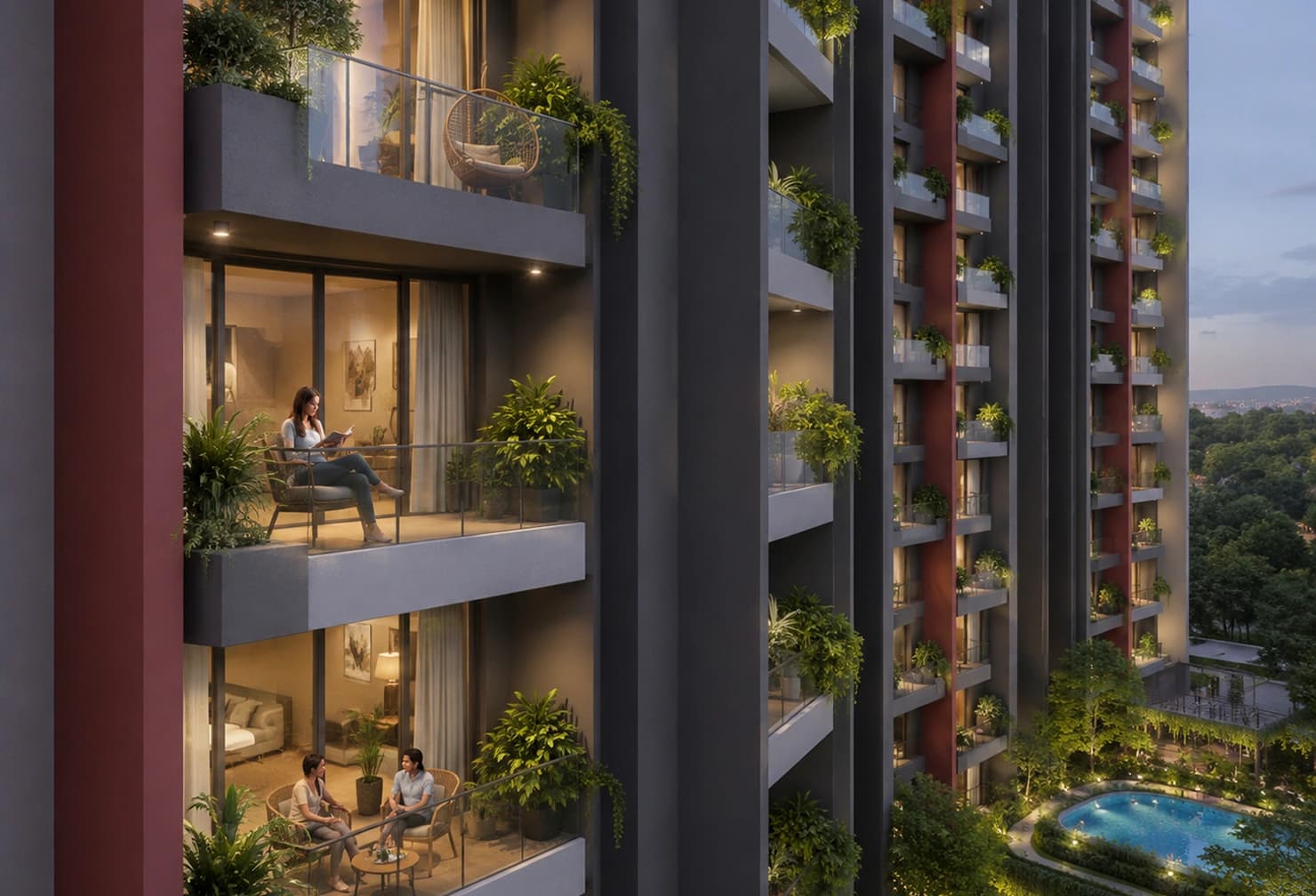
The importance of community interaction can be seen through daily life at Sapphire, where shared spaces and thoughtfully planned surroundings contribute to resident experiences.
Strong communities are often built around the spaces where people naturally spend time together.
The Growing Demand for Larger Homes
The demand for larger homes and the demand for open spaces are closely connected.
Families seeking additional living space often prioritise communities that also provide access to outdoor environments. Together, these elements create a more balanced and future-ready lifestyle.
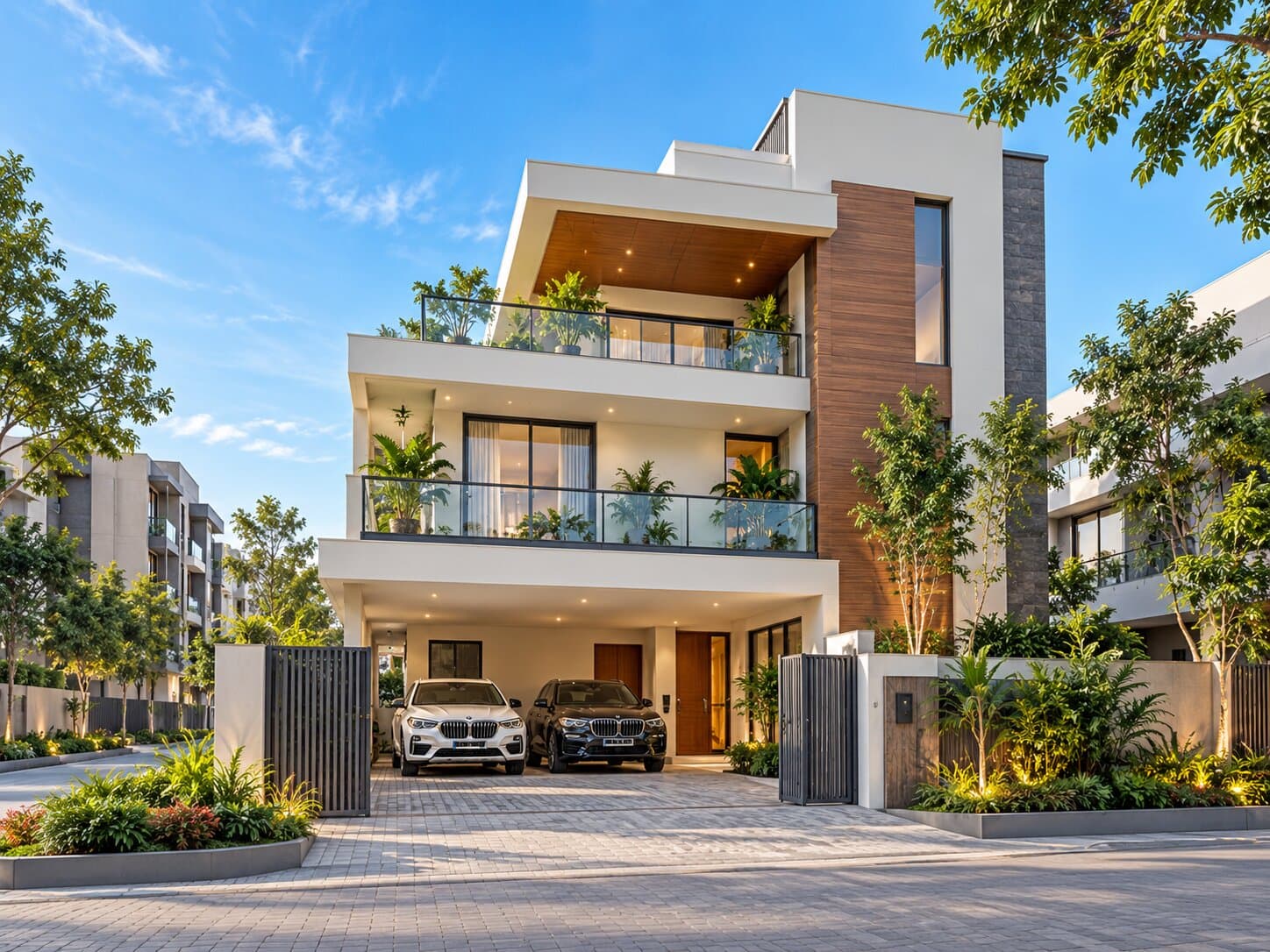
Interest in 4 BHK Homes in Whitefield continues to grow because buyers increasingly value flexibility, comfort, and access to quality community infrastructure.
A spacious home combined with access to open spaces creates an environment that supports long-term family well-being.
Whitefield's Appeal to Modern Homebuyers
Whitefield continues to attract homebuyers because it offers a combination of connectivity, infrastructure, employment opportunities, and quality residential developments.
Recent Whitefield infrastructure developments have further enhanced accessibility and strengthened residential demand across the area.
As the locality continues to evolve, communities that prioritise open spaces and thoughtful planning are increasingly attracting buyer interest.
Many buyers evaluating Luxury Villas in Whitefield now consider community design and green space allocation just as important as home specifications.
This reflects a broader shift in how people define quality living.
Evaluating Open Spaces When Choosing a Community
When assessing a residential development, buyers should consider:
- Percentage of open space within the project
- Accessibility of green areas
- Walking and jogging paths
- Children's outdoor play zones
- Landscaping quality
- Seating and relaxation spaces
- Long-term maintenance standards
These factors often have a direct impact on everyday living and overall resident satisfaction.
Buyers researching buying a 4 BHK villa in Whitefield increasingly include open space availability as an important part of their evaluation process.
The Future of Residential Communities
The future of residential development is likely to place even greater emphasis on wellness, sustainability, and quality of life.
Open spaces support all three objectives by creating healthier environments while improving community experiences.
As buyer preferences continue to evolve, developers who prioritise greenery, outdoor recreation, and thoughtful planning will be better positioned to meet market expectations.
The communities that succeed in the future will be those that recognise that quality living extends beyond the walls of a home.
Conclusion
Modern homebuyers are increasingly looking beyond traditional amenities and focusing on features that directly improve their everyday lives. Open spaces have emerged as one of the most valuable components of residential communities because they support wellness, family interaction, recreation, and overall quality of life.
While amenities continue to play an important role, access to greenery and outdoor environments often provides greater long-term value for residents. Communities that successfully integrate open spaces into their design create healthier, more enjoyable living experiences for families.
For buyers exploring 4 BHK Homes in Whitefield, considering Luxury Villas in Whitefield, or evaluating developments such as Sapphire, the availability and quality of open spaces should be an important part of the decision-making process. As residential preferences continue to evolve, open spaces are likely to remain one of the defining features of successful communities.