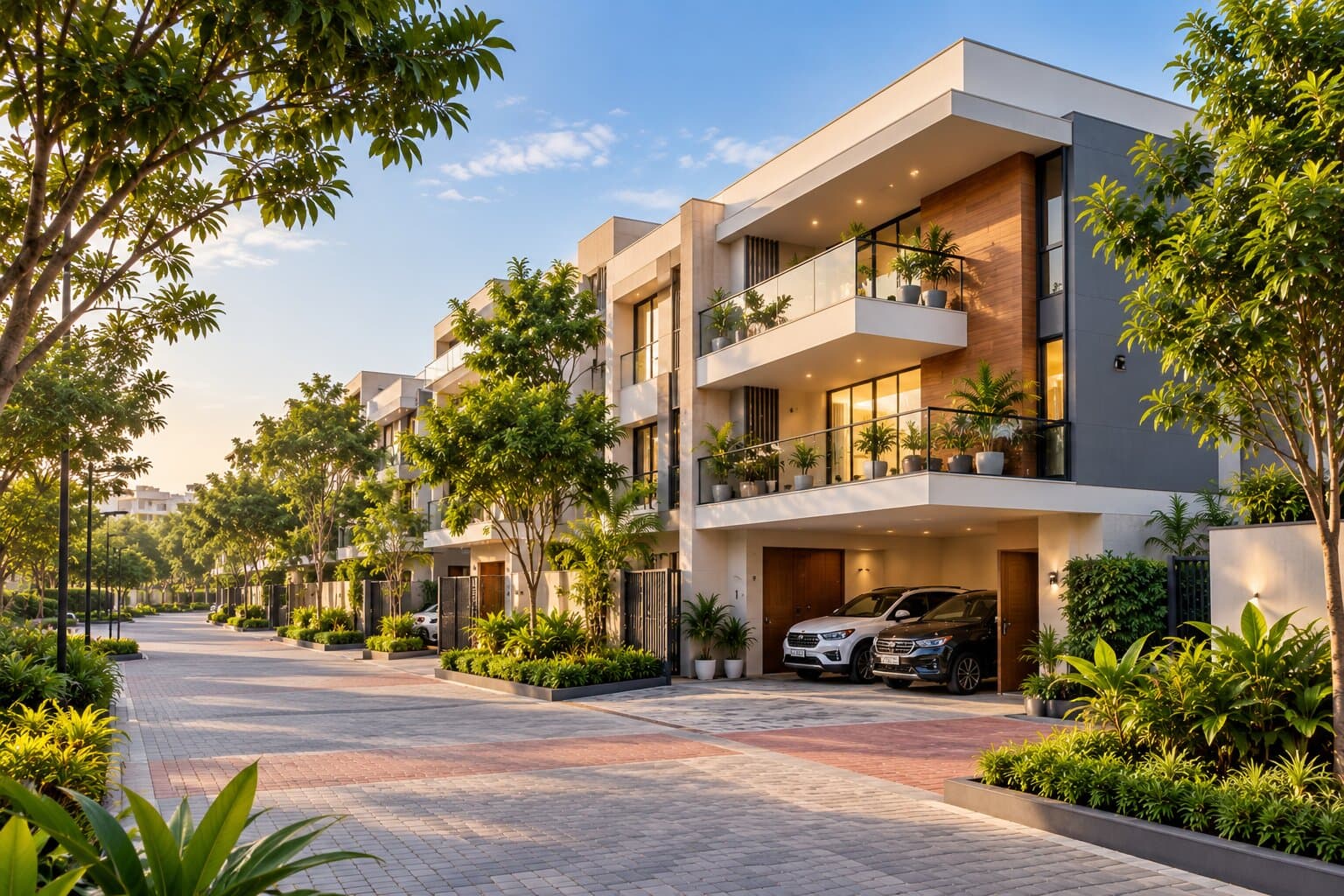
A villa may provide more physical separation than an apartment, but it is not automatically quiet. Traffic, community facilities, neighbouring homes, mechanical equipment and activity inside the house can all affect acoustic comfort.
Noise may also change according to the time of day. A peaceful property during a weekday afternoon may experience school-bus movement in the morning, clubhouse activity in the evening or visitor traffic during weekends.
Buyers comparing villas for sale in Bangalore should assess both external noise and sound movement inside the home before choosing a unit.
Identify Every Possible Noise Source
Begin by mapping the property’s relationship with its surroundings.
Potential external sources include:
- Public roads
- Community entrance and exit gates
- Clubhouse
- Swimming pool
- Children’s play area
- Sports courts
- Visitor parking
- School-bus stops
- Waste-collection points
- Generators and pumps
- Construction sites
- Commercial buildings
- Places of gathering
Mark these sources on the site plan and note the distance between each one and the selected villa.
A facility can be convenient without being suitable directly beside the home. The preferred distance depends on the household’s schedule and sensitivity to sound.
Visit at Different Times and on Different Days
A single site visit provides only a temporary impression.
Where possible, inspect the villa during:
- Morning travel hours
- A working-day afternoon
- Evening activity
- A weekend
- A period when common amenities are in use
During each visit, stand inside the bedrooms, living room, garden and parking area. Keep the windows both open and closed.
Listen for vehicle horns, gates, children playing, conversations, sports activity, machinery and nearby construction.
Record the type, duration and frequency of sound rather than describing the property as simply quiet or noisy.
Compare Background Noise With Sudden Noise
Not all sound affects residents in the same way.
Background noise may include continuous road movement, mechanical equipment or distant commercial activity. Sudden noise may include horns, gates closing, vehicle movement or equipment starting.
Ask:
- Is the sound constant or occasional?
- Does it happen during sleeping hours?
- Can it be heard with windows closed?
- Does it affect one room or the entire villa?
- Is it connected to a temporary activity?
- Will future occupancy increase it?
A low continuous sound may be acceptable to one household, while occasional loud events may be more disruptive to another.
The assessment should reflect the family’s actual work, rest and study routines.
Check the Villa’s Position Within the Community
Unit position can influence the type of noise residents experience.
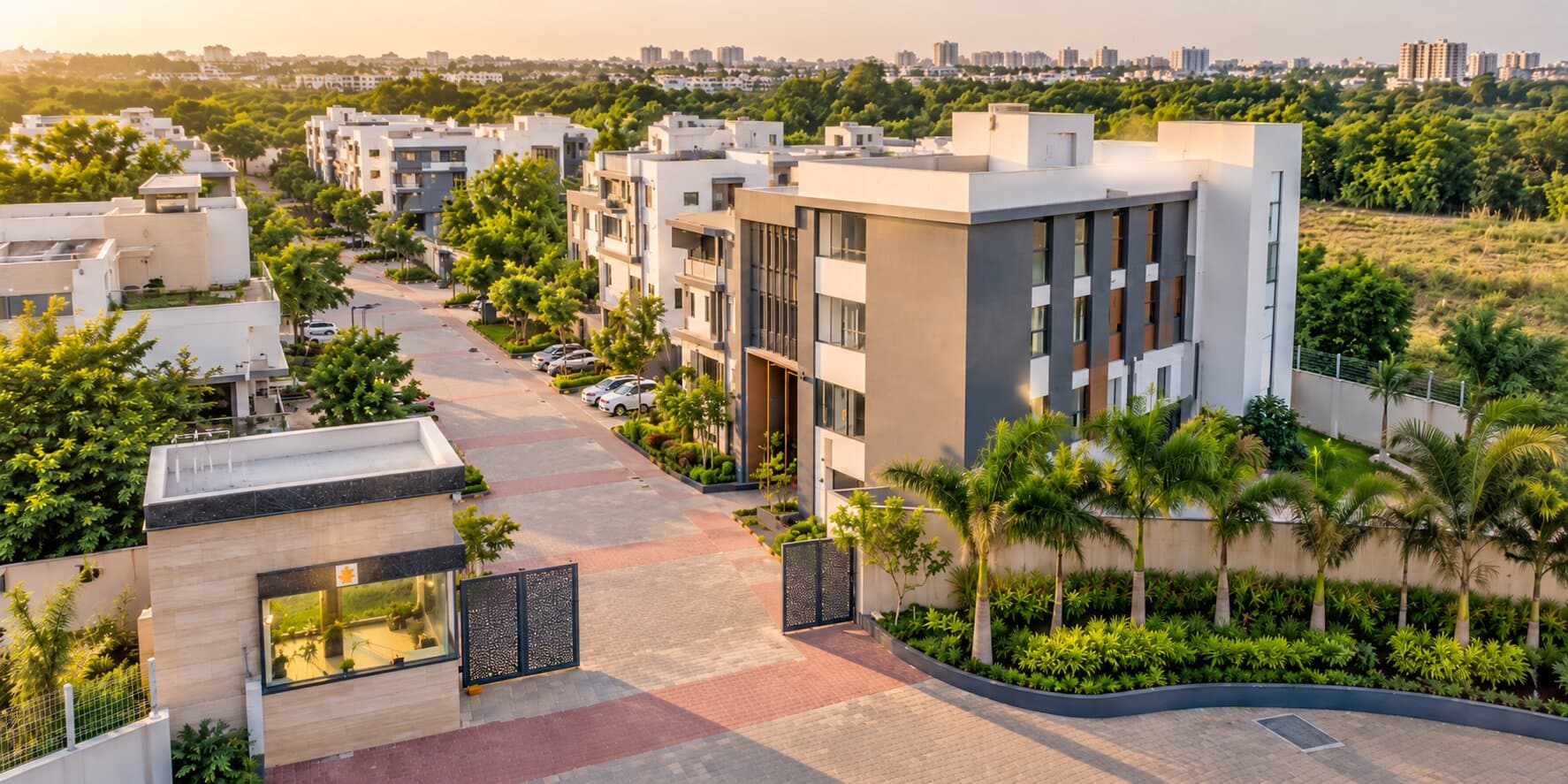
A villa near the gate may receive more visitor, delivery and security activity. A unit near the clubhouse can offer convenient access but experience event-related movement. A home on a quieter internal road may have less passing traffic but sit farther from the entrance.
Inspect whether the villa is close to:
- Main internal road
- Road junction
- Speed breaker
- Visitor-parking area
- Service route
- Amenity entrance
- Security cabin
- Utility equipment
- Community boundary
Buyers reviewing villas for sale in Bangalore should compare individual unit positions instead of assuming that every home within the same project has similar acoustic conditions.
Assess Road and Vehicle Noise
Vehicle noise is not determined only by traffic volume. Road design and driving behaviour also matter.
Observe:
- Vehicle speed
- Horn usage
- Buses and delivery vehicles
- Turning movement
- Acceleration near gates
- Speed breakers
- Road-surface condition
- Parking beside the villa
- Headlight and engine activity at night
A villa beside a tight bend may hear vehicles slowing and accelerating. A home near a speed breaker may experience repeated braking sounds.
Visit during the household’s expected sleeping and working periods. Buyers with early shifts, elderly parents or young children may prioritise different conditions from households active later in the evening.
Inspect Windows, Doors and Openings
Windows and doors influence how much outdoor sound enters the villa.
Check:
- Window type
- Quality of closure
- Gaps around frames
- Glass configuration
- Door seals
- Balcony doors
- Ventilation openings
- Utility doors
- Open staircases
- Exhaust points
Close each window and door during the visit and compare the sound level. A large opening can improve light and ventilation while allowing more external noise when open.
Do not assume that a window’s appearance indicates acoustic performance. Any technical performance claim should be supported by the relevant product or project documentation.
Test Sound Movement Between Rooms
Acoustic privacy also concerns sound created inside the villa.
Stand in one room while another person speaks at a normal volume, plays audio or operates a door in an adjoining area. Repeat the test between:
- Living room and ground-floor bedroom
- Kitchen and dining room
- Parents’ and children’s bedrooms
- Bedroom and bathroom
- Upper floor and lower floor
- Study and television area
- Guest room and family spaces
Open-plan layouts can allow sound to travel easily between rooms and floors. A double-height living room may carry television or conversation noise towards upper-level bedrooms.
Families should decide whether visual openness or stronger separation is more important to their routine.
Review Bedroom Placement
Bedroom position can determine whether the villa remains comfortable during rest hours.
Check whether bedrooms share walls with:
- Staircases
- Bathrooms
- Living-room television walls
- Kitchen
- Utility area
- Pump or electrical room
- Neighbouring parking
- Internal community road
A ground-floor bedroom near the entrance may be convenient for elderly parents but may receive more doorbell, visitor and vehicle noise.
An upper-floor bedroom can be farther from street activity yet more exposed to terrace equipment or sound rising through the staircase.
Evaluate the exact room intended for each family member.
Check Noise From Equipment and Services
Mechanical systems can create sound even when the surrounding road is quiet.
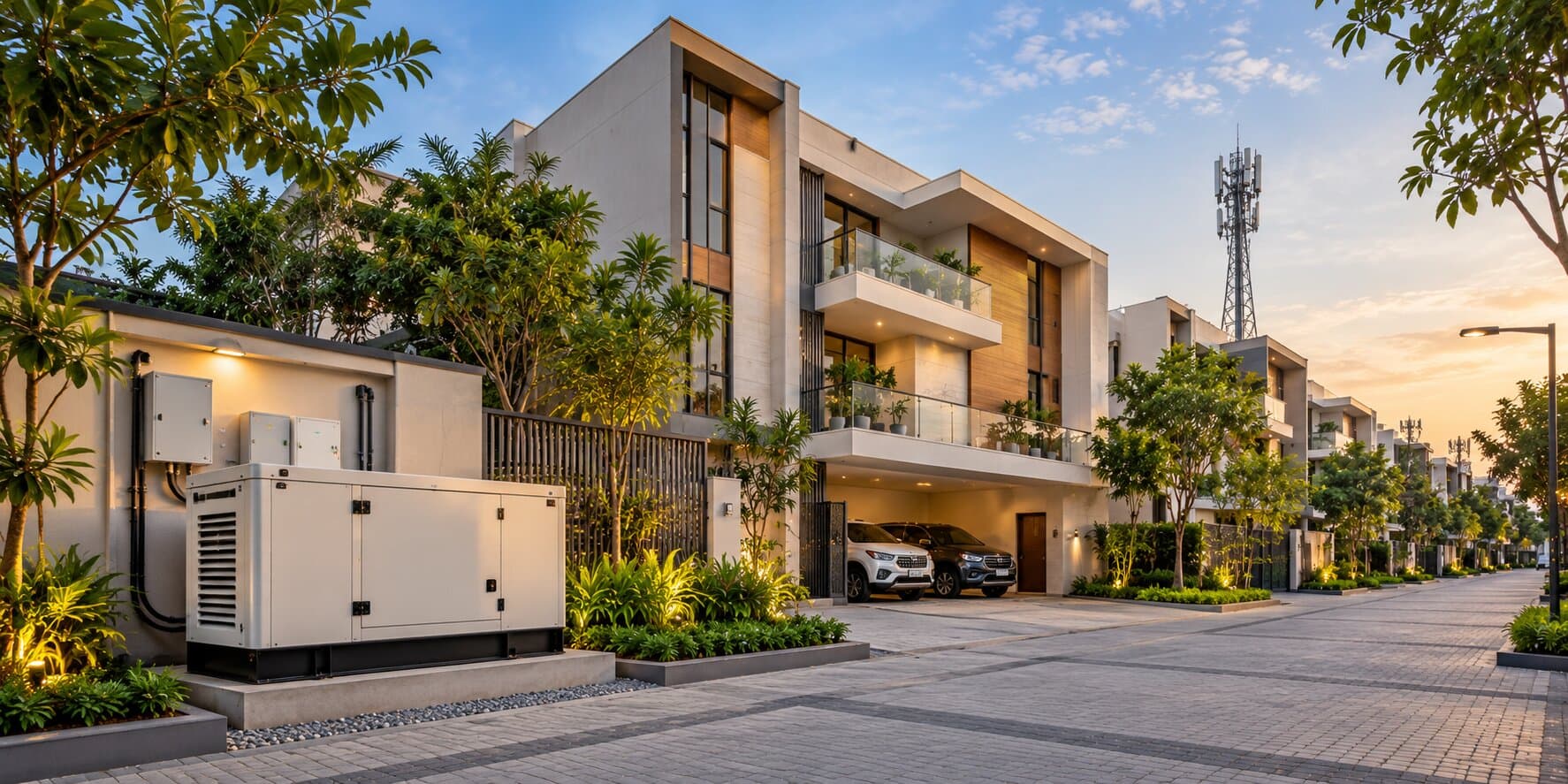
Ask to identify the location of:
- Backup generator
- Water pumps
- Sewage equipment
- Air-conditioning outdoor units
- Electrical equipment
- Clubhouse machinery
- Waste-collection area
- Maintenance workshop
Stand near the selected villa when equipment is operating, where possible. If it is not running during the visit, ask about its operating schedule.
Also inspect where the villa’s own air-conditioning units, pumps and appliances will be installed. Poor placement can transfer sound or vibration into bedrooms and study areas.
Consider Neighbouring Villa Activity
Detached or semi-detached villas can still receive sound from neighbouring properties.
Review:
- Distance between buildings
- Facing balconies
- Opposing bedroom windows
- Shared or closely positioned walls
- Outdoor seating areas
- Parking bays
- Garden boundaries
- Utility spaces
A narrow side setback may allow conversations, music or equipment noise to travel between homes.
The community’s current occupancy also matters. A partly occupied project may feel quieter than it will after more residents move in. Consider the completed site plan rather than only existing activity.
Evaluate Work-From-Home Requirements
Households working remotely should test the rooms planned as offices.
Check whether the workspace is affected by:
- Entrance activity
- Street movement
- Living-room television
- Kitchen appliances
- Children’s play
- Doorbells
- Pumps or generators
- Sound travelling through the staircase
The quietest room may not have the best internet, daylight or ventilation. Buyers should assess these requirements together.
If more than one person works from home, test whether both can attend calls without disturbing each other.
Understand Which Noise Sources Can Change
Some sound conditions are permanent, while others may change.
Potential future changes include:
- Completion of neighbouring villas
- Increased community occupancy
- Opening of amenities
- New road activity
- Development on nearby vacant land
- Changes in internal traffic
- Increased delivery movement
Ask what is already operational and what remains under development.
Buyers considering Sapphire Villas should verify the selected unit’s position, completed surroundings and planned community features through official project information and a site visit.
Compare Acoustic Privacy With Apartment Living
Villa living may reduce noise from homes directly above or below. However, it can introduce more sound from private gardens, roads, parking and outdoor equipment.
Apartments may experience sound through shared floors, ceilings, corridors and lifts, but the exact result depends on the building and unit position.
Families comparing property types can also review flats for sale in JP Nagar, Bangalore and test both options during realistic occupancy periods.
The decision should be based on the specific property rather than a general assumption about villas or apartments.
Use a Noise Evaluation Record
| Area | What to Observe |
|---|---|
| External roads | Traffic, horns and vehicle type |
| Community | Gate, clubhouse, parking and play activity |
| Villa envelope | Windows, doors and ventilation openings |
| Internal layout | Sound between rooms and floors |
| Bedrooms | Road, equipment and family activity |
| Work areas | Calls, concentration and background sound |
| Future conditions | Occupancy and nearby development |
Record observations from different visits so that properties can be compared fairly.
Conclusion – Listen Before You Decide
Acoustic privacy depends on location, unit position, building openings and the way sound moves through the villa.
Visit at different times, close and open the windows, test sound between rooms and identify nearby mechanical equipment. Buyers should also consider how community occupancy and surrounding development may change present conditions.
The most suitable villa is not necessarily completely silent. It is the home where expected sounds remain compatible with the family’s sleeping, working, studying and social routines.
Frequently Asked Questions
1. Is every internal villa quieter than a gate-facing villa?
No. An internal villa may still be close to amenities, parking, play areas or mechanical equipment.
2. How should buyers test noise during a site visit?
Visit at different times, stand in each important room and compare conditions with windows open and closed.
3. Can large windows increase outside noise?
They can influence sound entry depending on their design, glass, frames, seals and whether they remain open.
4. Why should buyers test sound between floors?
Open staircases and double-height spaces can allow conversations, television and other sounds to travel vertically.
5. Should future occupancy be considered?
Yes. A partly occupied community may become more active as additional villas, amenities and internal roads come into regular use.