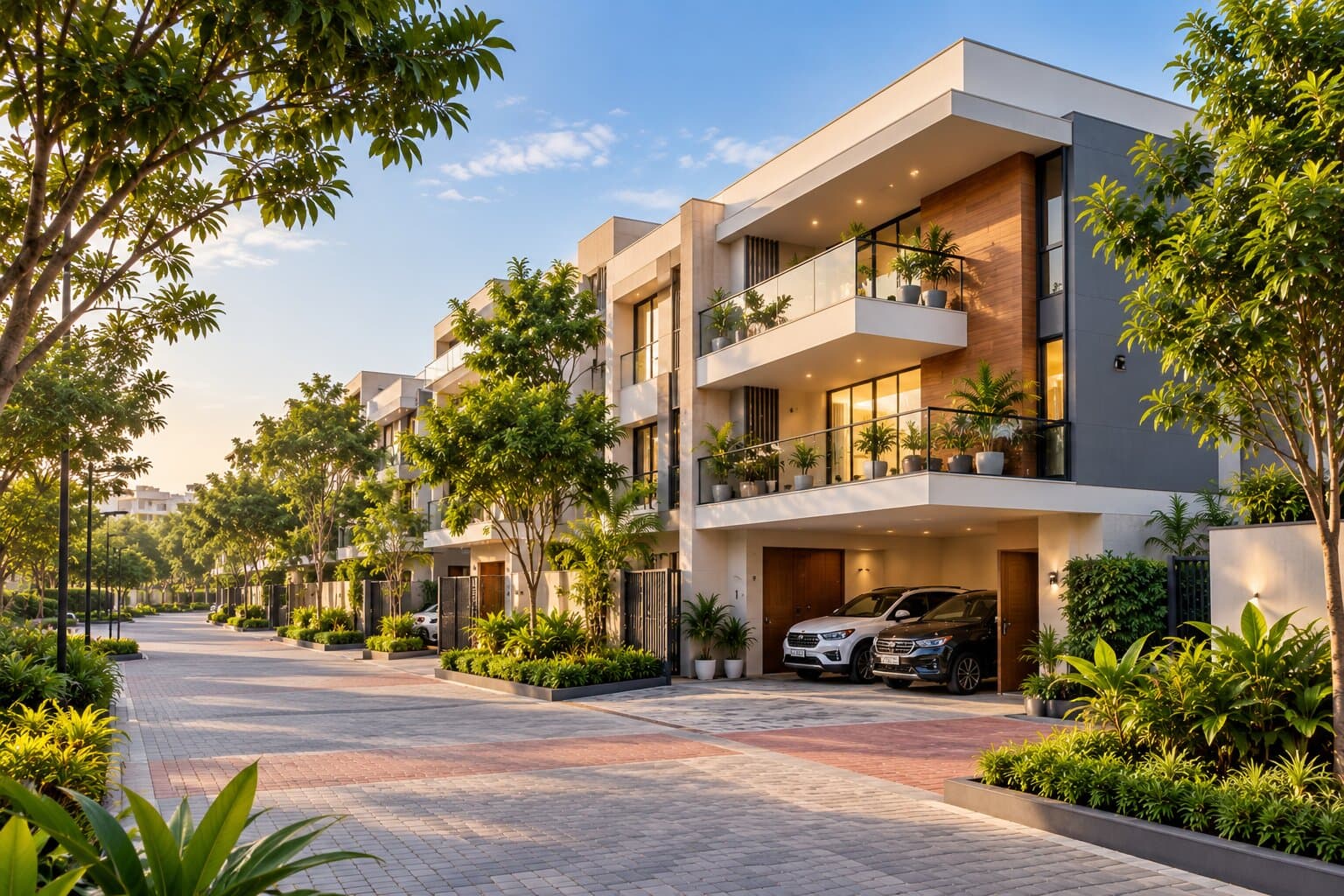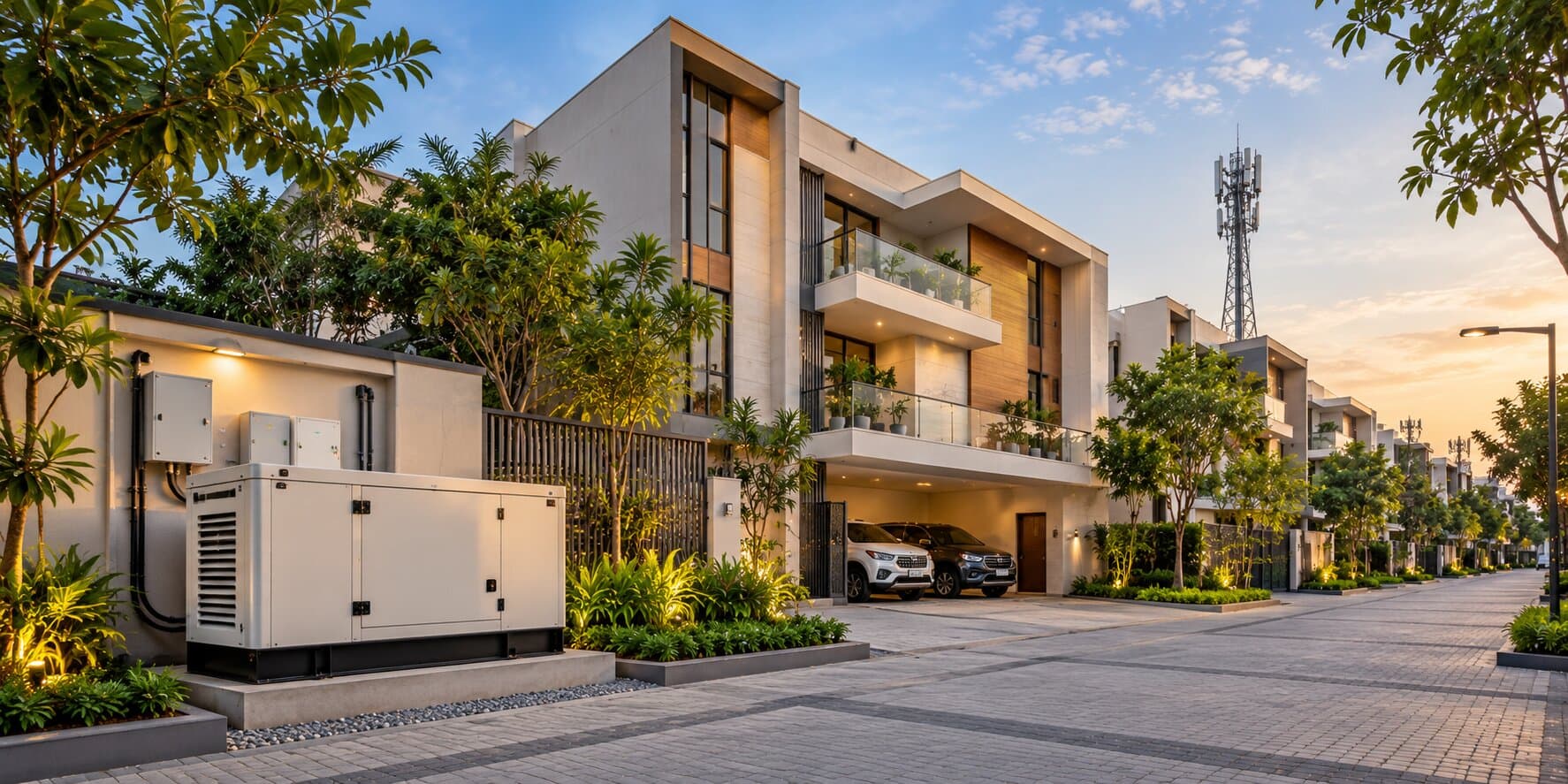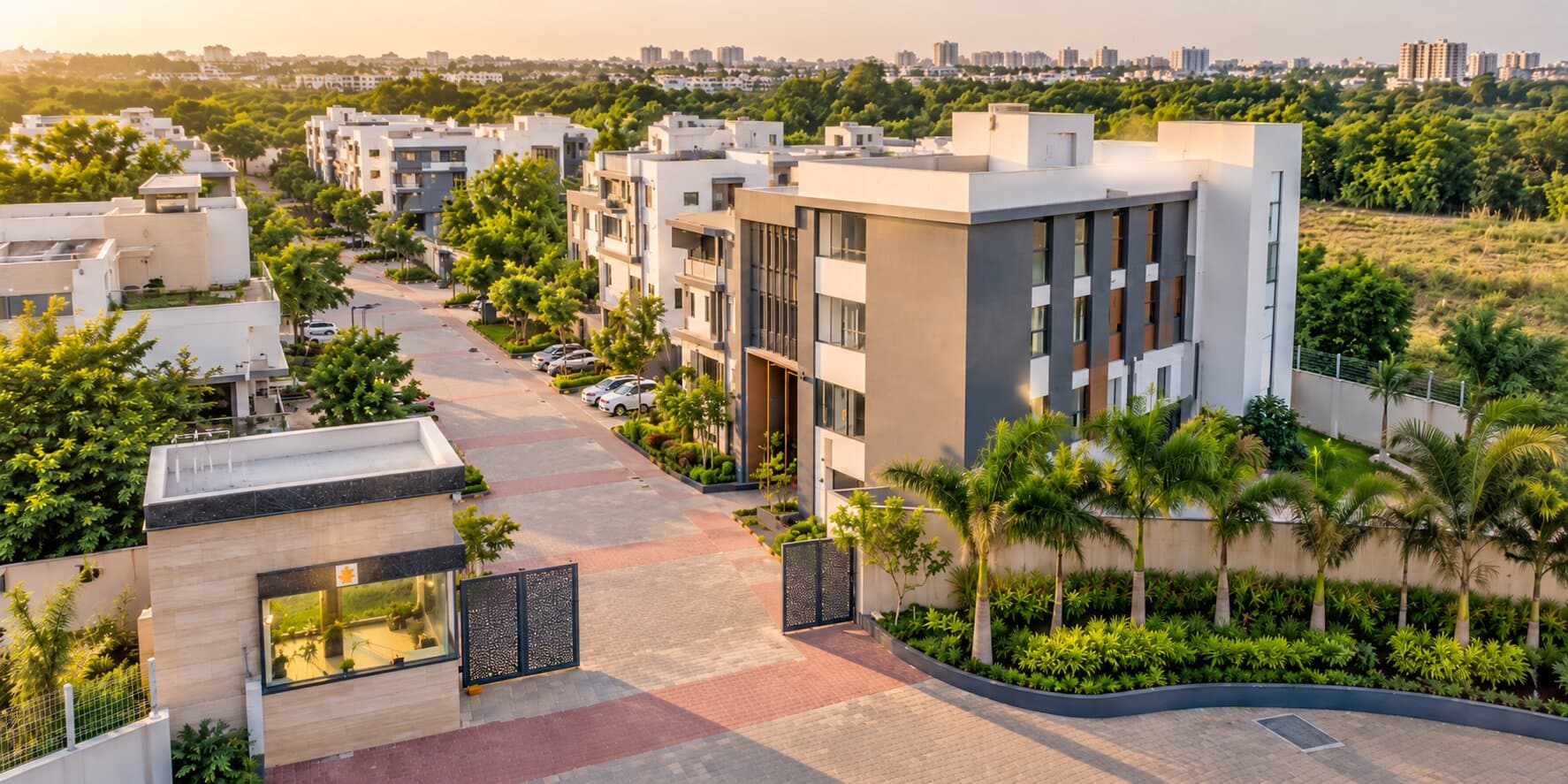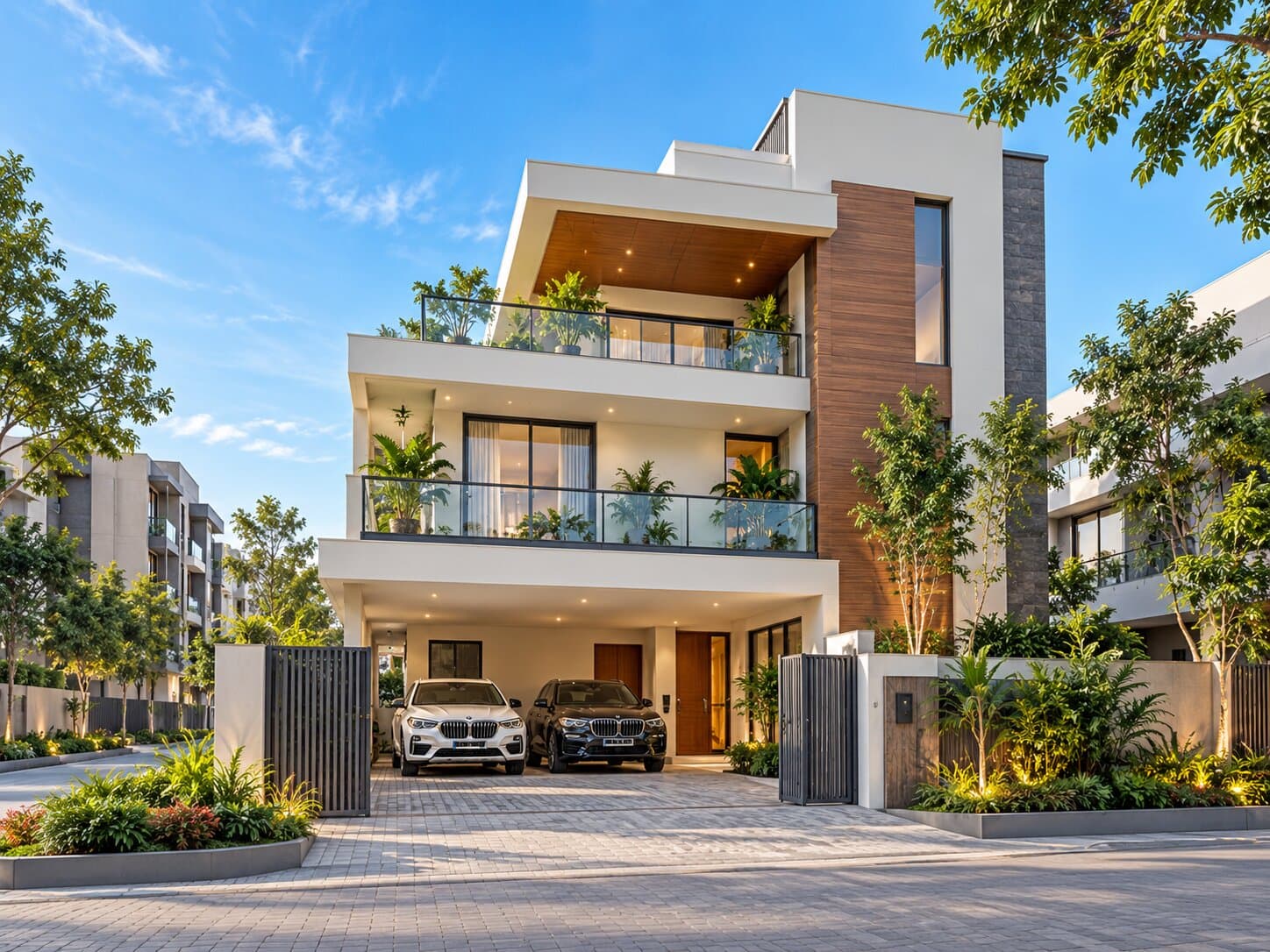
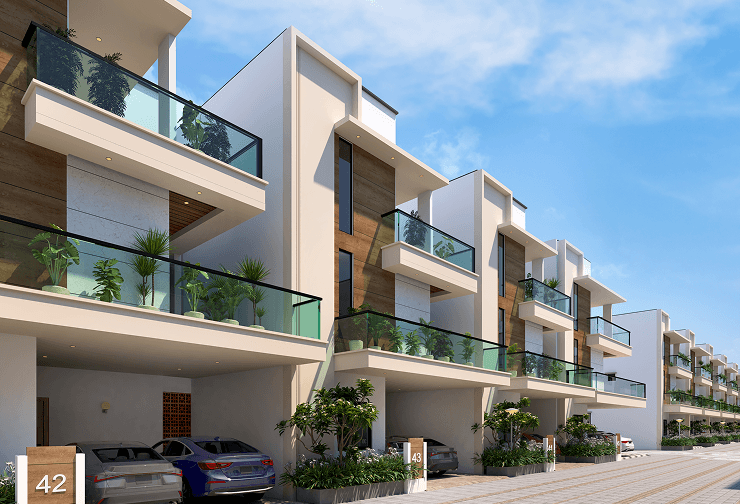
The concept of community living has evolved significantly over the years. Today's homebuyers are not simply looking for a house; they are searching for an environment that supports their lifestyle, provides convenience, and offers long-term value. This shift has made gated communities one of the most preferred residential choices among families, professionals, and investors.
While gated communities offer several advantages, not every development provides the same quality of living experience. Homebuyers often focus on location, price, or amenities while overlooking factors that can significantly influence daily life and long-term satisfaction.
Choosing the right community requires careful evaluation of multiple aspects, including planning, connectivity, security, infrastructure, amenities, and future growth potential. Understanding these factors can help buyers make a more informed decision and select a home that continues to meet their needs for years to come.
Why Gated Communities Continue to Attract Homebuyers
Modern residential communities have become increasingly popular because they combine security, convenience, and lifestyle benefits within a single environment.
Unlike standalone properties, gated communities offer organised infrastructure, shared amenities, maintenance services, and community spaces designed to improve everyday living. Families often appreciate the sense of safety and belonging that these developments provide.
However, the true value of a gated community depends on how well it has been planned and maintained. Buyers should look beyond marketing brochures and evaluate the factors that directly influence their quality of life.
Location Should Always Be the Starting Point
The most attractive community can quickly lose its appeal if it is located in an inconvenient area.
Before evaluating amenities or home designs, buyers should assess the location's connectivity to workplaces, schools, hospitals, shopping destinations, and other essential services. Daily commute times often have a significant impact on overall lifestyle satisfaction.
Locations with strong infrastructure and future development potential generally offer better long-term value. This is one of the reasons why residential destinations such as Whitefield continue to attract strong demand among homebuyers.
Infrastructure growth, transportation improvements, and social amenities play a critical role in shaping a community's appeal and future prospects.
Security Beyond the Main Gate
Security is one of the primary reasons people choose gated communities.
However, buyers should evaluate security measures beyond simply having a gated entrance. Important factors include controlled access systems, visitor management processes, surveillance infrastructure, emergency response protocols, and overall community management standards.
A well-managed community creates peace of mind for residents and contributes to a safer environment for families.
When assessing a development, buyers should understand how security is maintained on a daily basis rather than relying solely on promotional claims.
Community Planning Matters More Than You Think
A gated community is much more than a collection of homes.
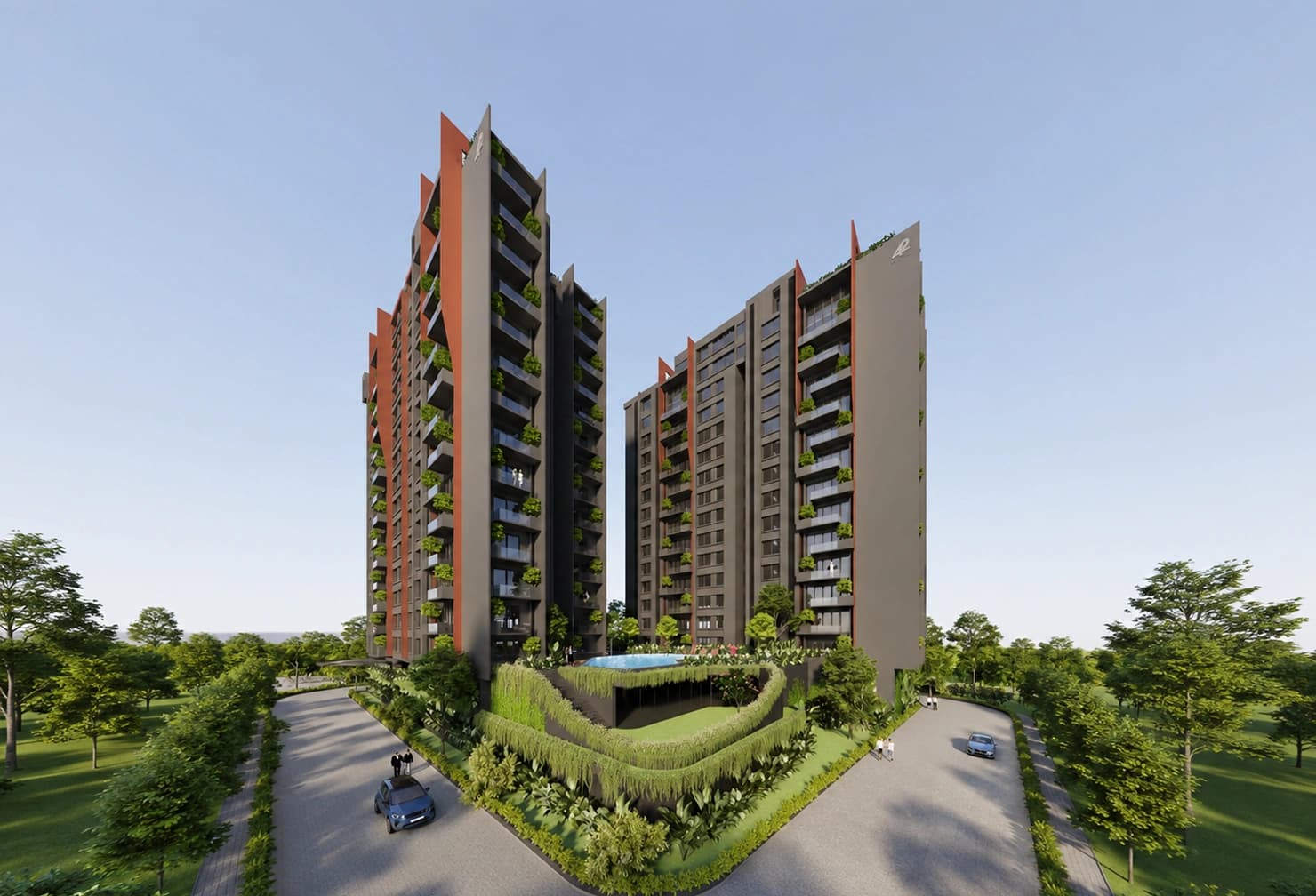
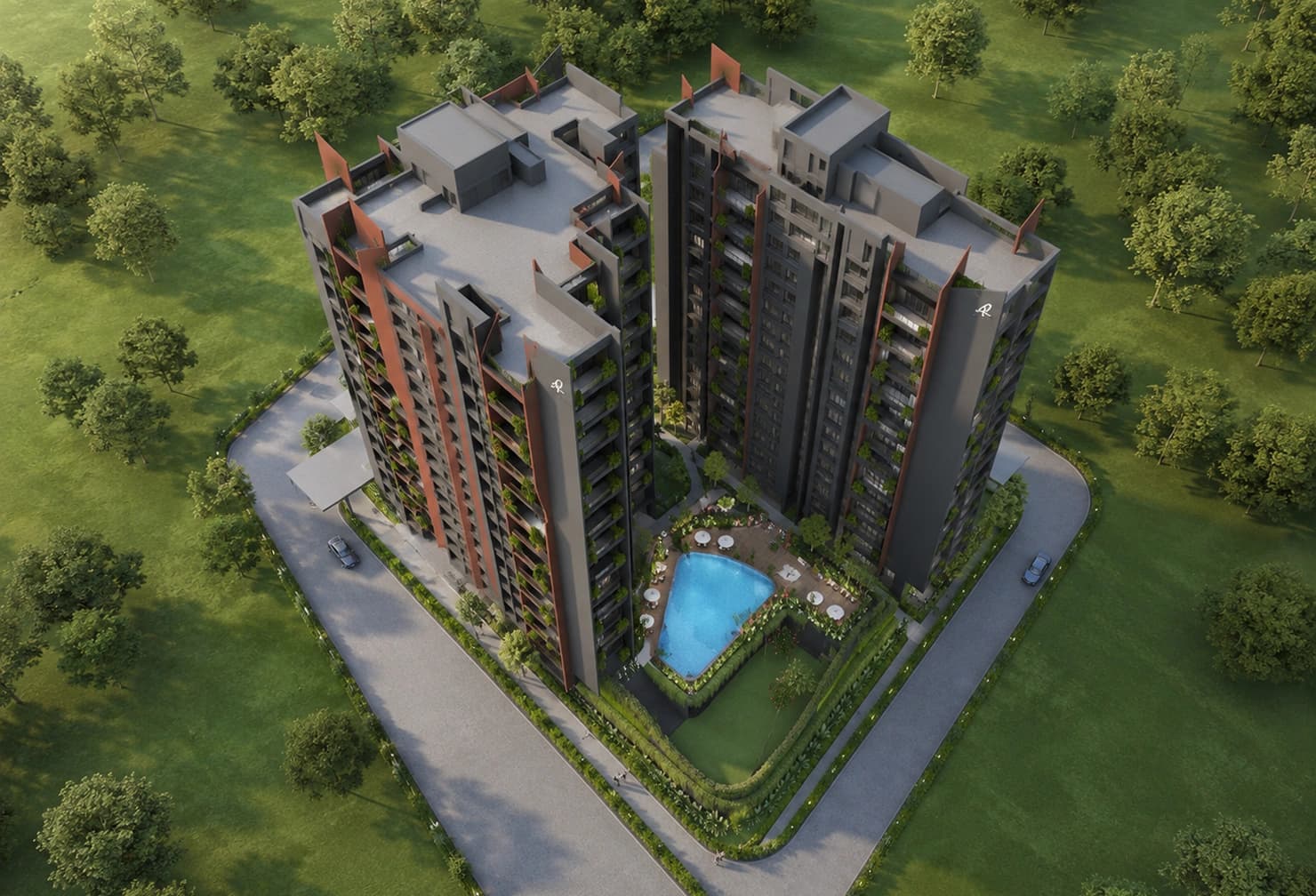
The way roads, open spaces, recreational facilities, and residential areas are organised can significantly influence everyday living. Well-planned communities create smoother traffic flow, better accessibility, improved privacy, and a more comfortable environment overall.
Buyers should pay attention to:
- Road width and internal circulation
- Pedestrian-friendly design
- Open space allocation
- Landscaping and greenery
- Common area accessibility
- Future expansion possibilities
Thoughtful planning often reflects the developer's long-term vision and commitment to resident satisfaction.
Evaluating Open Spaces and Green Areas
Many buyers focus heavily on amenities while overlooking the importance of open spaces.
Green areas contribute to physical well-being, mental wellness, and overall quality of life. Landscaped gardens, walking trails, parks, and outdoor recreation areas encourage healthier lifestyles while enhancing the visual appeal of the community.
For families with children, access to outdoor spaces provides opportunities for recreation and social interaction.
As residential developments become denser across urban areas, open spaces have become increasingly valuable to modern homebuyers.
Amenities Should Support Everyday Living
Amenities are often highlighted as key selling points in residential developments.
However, buyers should evaluate whether these facilities genuinely support their lifestyle requirements. A long list of amenities may look impressive, but practical and frequently used facilities often provide the greatest value.
Important considerations include:
- Clubhouse facilities
- Fitness centres
- Swimming pools
- Children's play areas
- Walking and jogging tracks
- Community gathering spaces
The best communities focus on amenities that enhance everyday living rather than simply increasing marketing appeal.
Communities such as Sapphire demonstrate how thoughtfully planned amenities can complement residential living while creating opportunities for recreation, wellness, and social interaction.
WUnderstanding Density and Community Experience
One factor that buyers often overlook is residential density.
The number of homes within a community can significantly affect privacy, amenity usage, traffic movement, and overall living experience. Communities with balanced density typically offer a more comfortable environment and better access to shared facilities.
Lower-density developments often provide:
- Greater privacy
- Less congestion
- Better amenity access
- More open spaces
- Improved overall comfort
Understanding how density influences daily life can help buyers choose a community that aligns with their lifestyle preferences.
Assessing Construction Quality
A gated community's long-term value depends heavily on construction quality.
Buyers should evaluate the developer's reputation, previous projects, construction standards, and overall track record. Quality construction not only improves durability but also reduces future maintenance concerns.
Important aspects to assess include:
- Building materials
- Structural quality
- Design standards
- Infrastructure durability
- Finishing quality
A well-built home often delivers greater long-term satisfaction and better value retention.
Community Management and Maintenance
The experience of living in a gated community is heavily influenced by ongoing maintenance and management.
Well-maintained common areas, landscaping, security systems, and infrastructure contribute significantly to resident satisfaction. Poor management can quickly diminish the benefits of an otherwise attractive development.
Buyers should understand:
- Maintenance procedures
- Facility management systems
- Community regulations
- Resident support services
A strong management framework helps preserve property values and ensures a better living experience.
Future Growth Potential
Homebuyers should consider not only their current needs but also the future potential of the community and surrounding location.
Infrastructure developments, commercial growth, transportation improvements, and expanding social amenities can all influence long-term property demand.
Understanding local market trends can help buyers identify communities positioned for future growth and appreciation.
Positive Whitefield property trends demonstrate how infrastructure and residential demand often work together to support long-term value creation.
Why Larger Homes Are Influencing Community Choices
The demand for larger homes continues to grow across Bangalore.
Many families are seeking additional space to accommodate evolving lifestyle requirements, remote work needs, and long-term family planning. This trend has influenced the types of communities buyers prefer.
Interest in 4 BHK Homes in Whitefield has increased as homebuyers prioritise flexibility, comfort, and future readiness when evaluating residential options.
Communities that successfully accommodate these preferences often experience stronger buyer demand.
Learning From Existing Communities
One of the best ways to evaluate a gated community is to study developments that are already operational.
Understanding daily life at Sapphire can provide insights into how amenities, planning, open spaces, and community infrastructure contribute to the resident experience.
Similarly, buyers researching buying a 4 BHK villa in Whitefield often evaluate completed communities to better understand how different design and planning decisions affect everyday living.
Real-world observations can reveal valuable information that may not be apparent during project presentations or marketing discussions.
Making a Well-Informed Decision
Choosing a gated community should never be based on a single factor.
The ideal development successfully combines:
- Strong location advantages
- Security
- Quality construction
- Open spaces
- Lifestyle amenities
- Efficient management
- Future growth potential
By evaluating these elements together, buyers can identify communities that offer both immediate comfort and long-term value.
Conclusion
Gated communities continue to attract homebuyers because they provide a structured, secure, and lifestyle-oriented residential experience. However, selecting the right community requires careful evaluation beyond surface-level features and promotional materials.
Factors such as location, security, community planning, open spaces, construction quality, maintenance standards, and future growth potential all play important roles in shaping the overall living experience.
Whether exploring 4 BHK Homes in Whitefield, evaluating Luxury Villas in Whitefield, or considering developments such as Sapphire, buyers should focus on the factors that directly influence quality of life and long-term satisfaction. A thoughtful evaluation process helps ensure that a home remains a valuable and enjoyable investment for years to come.