How South Bangalore’s Social Infrastructure Supports Better Family Living
A good family home is shaped by more than the apartment itself.
The surrounding neighbourhood influences how easily parents manage work, how children travel to school, how quickly healthcare can be accessed and how much time the family spends on daily errands.
This is why social infrastructure matters when choosing a residential location.
Social infrastructure includes the everyday facilities that support a community, such as schools, hospitals, supermarkets, public transport, parks, restaurants, fitness centres and essential services.
South Bangalore has remained relevant to homebuyers because many of its residential areas are already supported by established neighbourhood networks. Families searching for apartments in JP Nagar can evaluate these existing facilities before deciding whether the location suits their routine.
The strongest residential location is not necessarily the one with the longest list of nearby facilities. It is the one where the right services are practical for the family to use regularly.
Schools and Learning Facilities Shape the Daily Routine
For families with children, access to education is often one of the first factors considered when choosing a home.
However, simply having several schools in the broader area does not guarantee convenience. Parents should assess the actual travel route, school timings and how the journey fits with their work schedule.
A short distance can still become tiring if the route involves busy junctions or repeated detours. Similarly, a slightly farther school may be more practical when the journey is direct and predictable.
Families should consider:
- Travel time during school hours
- Availability of transport
- Ease of drop-off and pick-up
- Access to tuition and activity centres
- Options for different age groups
- Future educational needs
The requirement also changes as children grow.
A nursery or primary school may be the priority today, while older children may later need access to colleges, coaching centres, sports training or independent transport.
This is one reason why established South Bangalore neighbourhoods appeal to long-term buyers. Families can compare multiple educational options rather than depending on one institution or a future development plan.
Buyers should still shortlist schools according to the child’s needs and personally test the route from the exact apartment project.
Healthcare Access Becomes More Valuable Over Time
Healthcare may not be used every day, but convenient access can provide practical reassurance for families.
Young parents may need paediatric care. Senior family members may require regular consultations or diagnostic visits. Other households may simply value having pharmacies, clinics and hospitals within manageable travelling distance.
When evaluating healthcare access, look beyond the nearest facility on a map.
Consider:
- The type of care available
- Travel time during busy hours
- Availability during evenings
- Access to pharmacies
- Routes for regular appointments
- Suitability for children and senior citizens
Different medical needs may require different facilities, so relying on one nearby clinic may not be enough for long-term planning.
The neighbourhood should ideally provide reasonable access to a mix of everyday and specialist healthcare options.
This becomes especially important for multigenerational households. Parents may want privacy and space within the apartment, but they may also need easier access to healthcare and daily services outside the home.
Families considering 4 BHK flats in JP Nagar may therefore evaluate both the larger apartment configuration and the surrounding support system.
A suitable home should make it easier to manage healthcare needs without turning every visit into a difficult journey.
Shopping and Daily Services Save Time Every Week
Many buyers focus on major amenities while overlooking the importance of everyday errands.
Groceries, pharmacies, banks, salons, repair services and food delivery can affect weekly convenience far more than facilities used only occasionally.
A neighbourhood may look well developed, but families should check whether they can meet their regular needs without repeatedly travelling long distances.
During a site visit, observe:
- Grocery and supermarket access
- Local pharmacies
- ATMs and banking services
- Household repair options
- Restaurants and cafés
- Delivery availability
- Everyday service providers
The nearest commercial road does not always provide the best experience.
Some families prefer quick access to active shopping areas. Others prefer quieter residential surroundings and are comfortable travelling a little farther for major purchases.
The right balance depends on lifestyle.
Families with young children may value convenient access to essentials because frequent short trips can be difficult. Working professionals may prefer reliable deliveries and stores that remain accessible after office hours. For senior family members, daily services that do not require complicated travel may be especially appreciated.
JP Nagar’s established residential character allows buyers to inspect the existing neighbourhood rather than rely solely on promised future retail development.
Our guide on why JP Nagar remains an established residential location explains why this visibility can make home evaluation easier.
Recreation and Community Spaces Support Family Well-Being
Family life is not limited to work, school and errands.
Access to recreation can influence how residents spend evenings and weekends. Parks, walking areas, fitness centres, sports facilities, cafés and community spaces give family members more ways to relax without travelling across the city every time.
Different age groups may use these facilities differently.
Children may need outdoor play and activity options. Teenagers may prefer sports, cafés or social spaces. Adults may value walking, fitness and dining. Senior family members may look for calm areas where they can move comfortably and spend time outdoors.
Buyers should consider what their family genuinely enjoys rather than being influenced by a long list of nearby attractions.
Ask:
- Where would we go for an evening walk?
- What can children do during weekends?
- Are fitness options practical to reach?
- Are there places suitable for senior family members?
- Can the family spend time outside without planning a long drive?
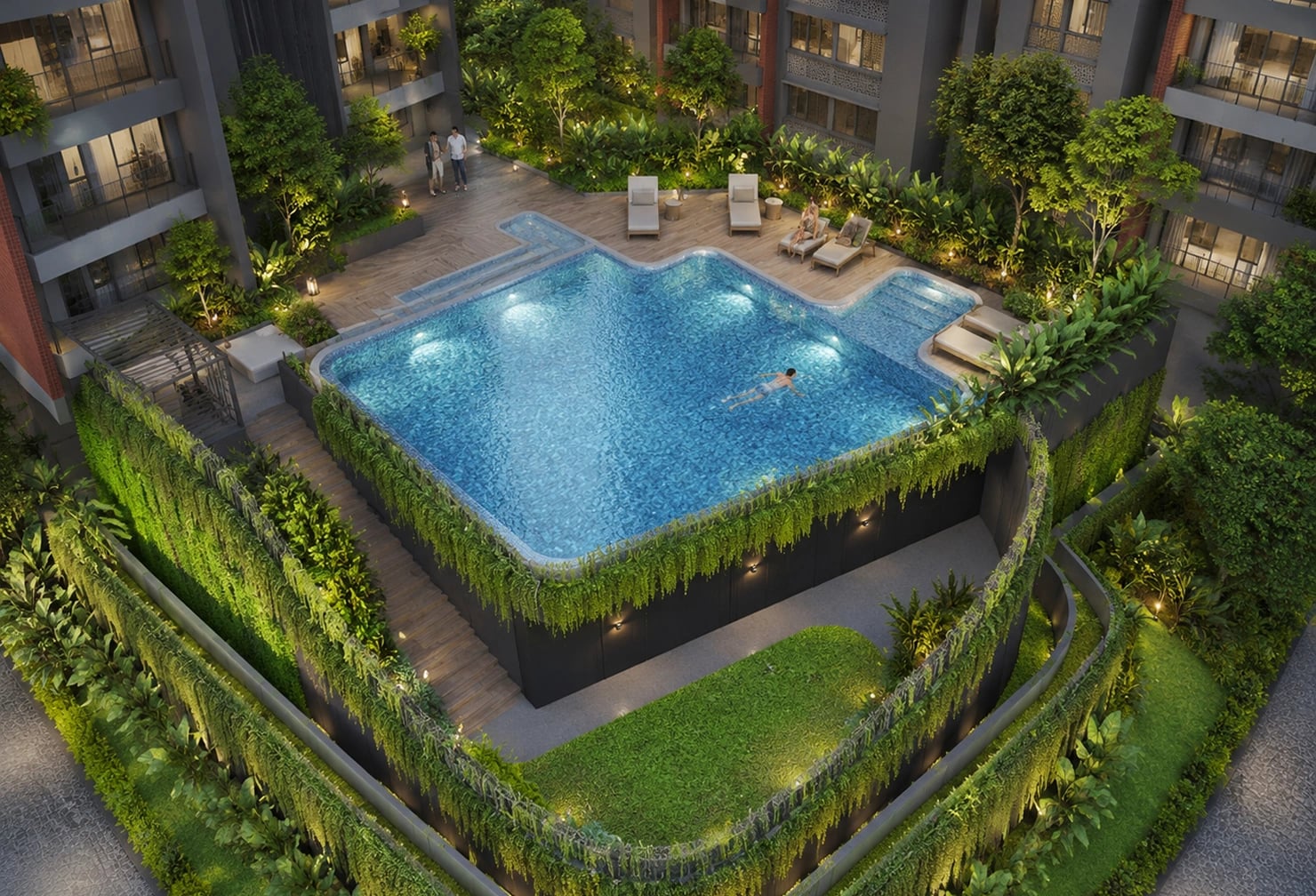
The apartment community may provide some shared facilities, but the wider neighbourhood remains equally important.
A family may use the project’s internal spaces during weekdays and depend on the surrounding area for shopping, dining, hobbies and weekend recreation.
The strongest residential experience comes from a combination of comfortable private space, useful common areas and an active neighbourhood around the project.
Connectivity Helps Families Use the Infrastructure Around Them
Social infrastructure is useful only when the family can reach it comfortably.
A school, hospital or shopping destination may be nearby in distance but inconvenient in practice if the route is difficult.
Buyers should therefore evaluate connectivity alongside neighbourhood facilities.
Map the family’s most common journeys:
- Home to school
- Home to office
- Home to hospital
- Home to grocery shopping
- Home to public transport
- Home to relatives or regular social destinations
Try these routes during realistic travel hours.
Families may also have different transport preferences. One member may drive, another may use cabs and older children may eventually depend on public transport.
A location that supports several travel options can become more practical as the household changes.
This is especially relevant for long-term homebuyers. Jobs may change, children may move to different schools and senior family members may begin travelling more frequently for healthcare.
Choosing a home only around one present commute may limit future flexibility.
Buyers comparing 3 BHK flats in JP Nagar should examine whether the project provides practical access to the services their family uses today and may need later.
Evaluating Codename Light of South
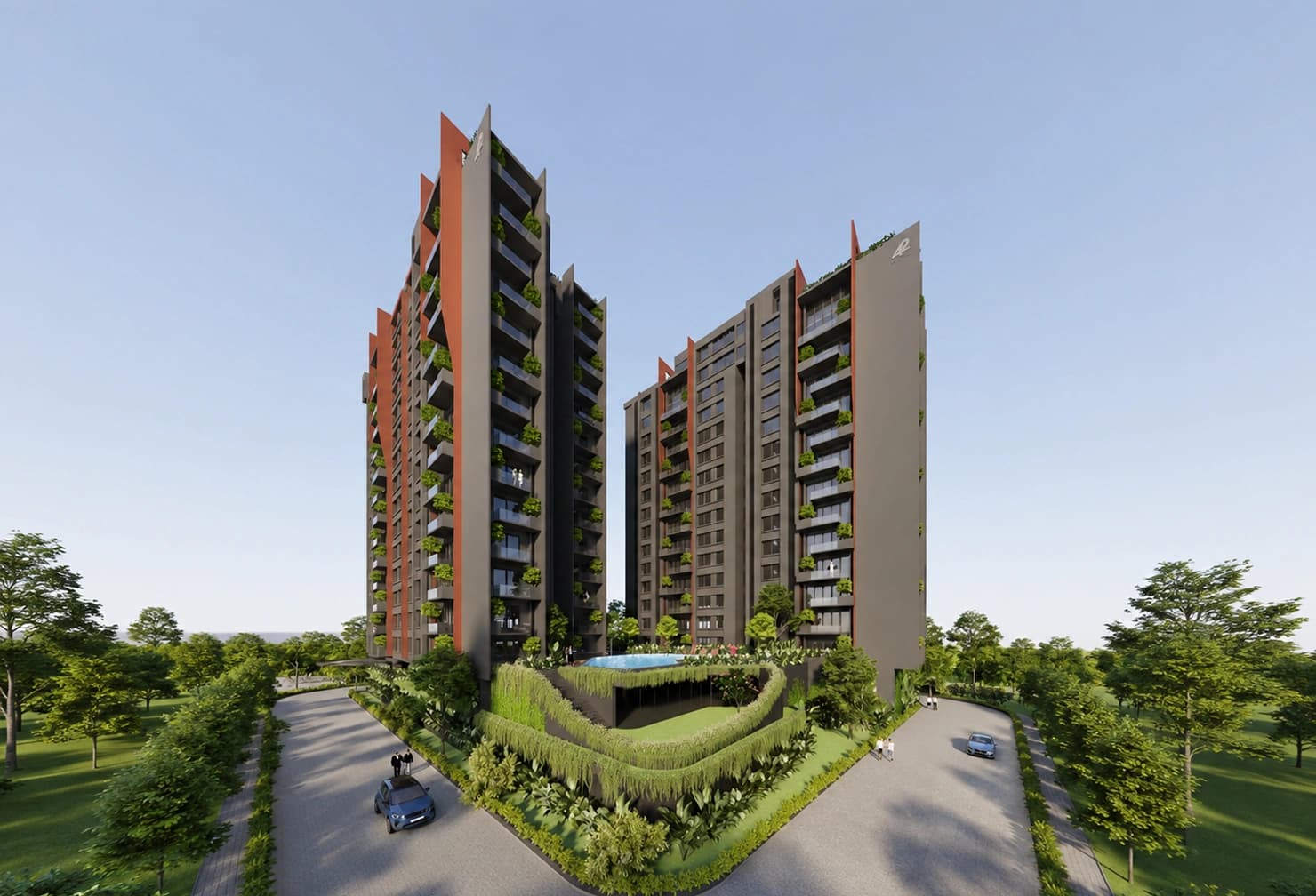
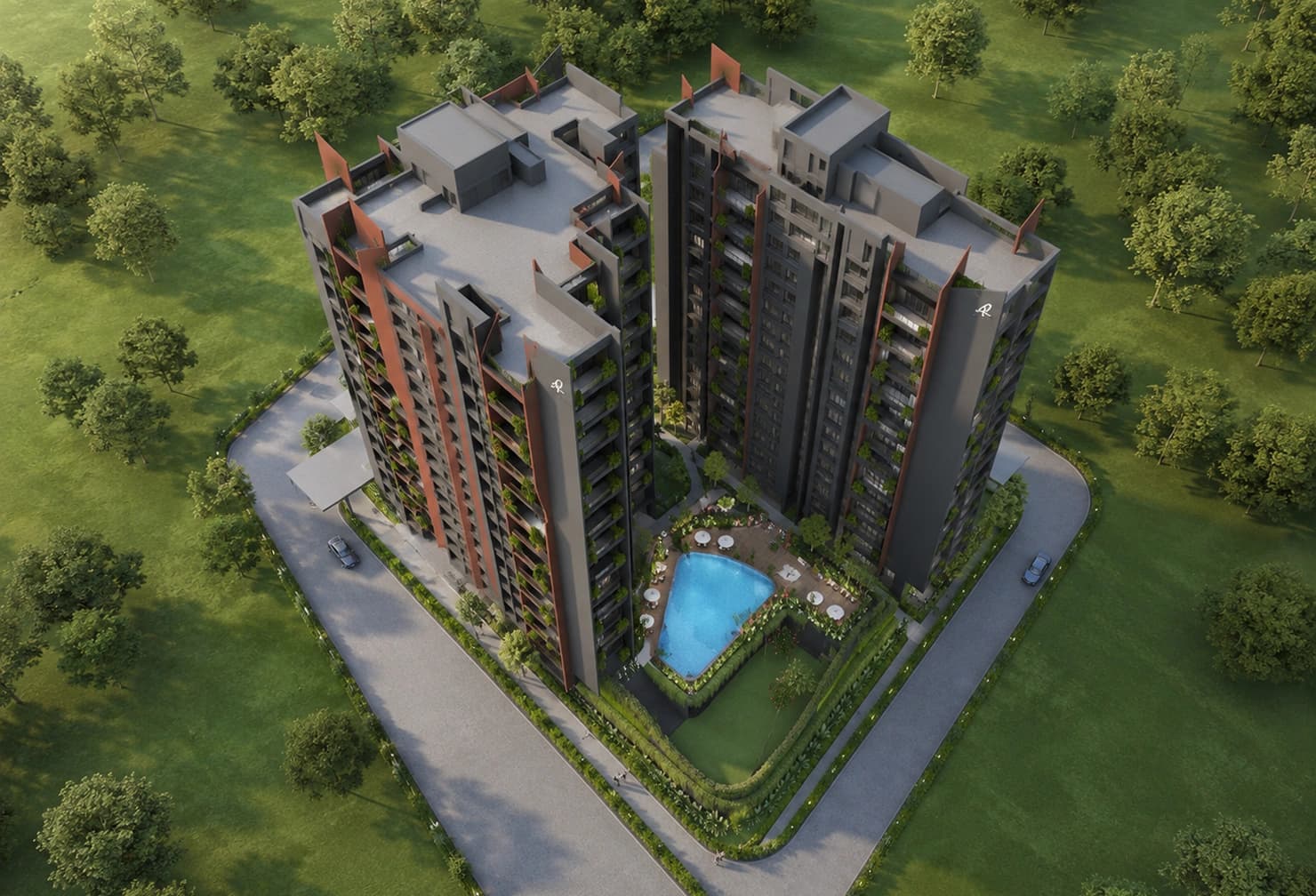
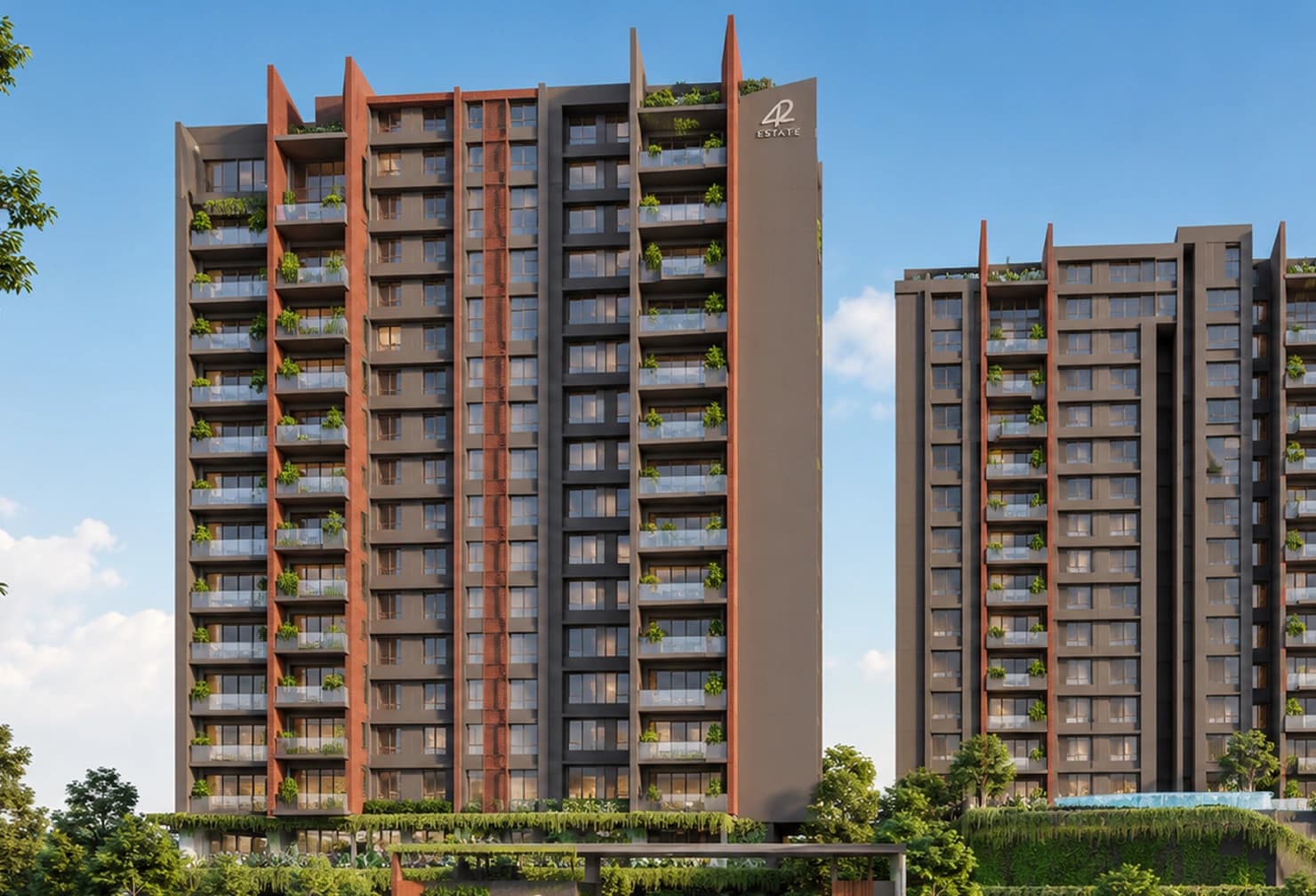
Families considering Codename Light of South by 42 Estates can evaluate the project in relation to the wider South Bangalore lifestyle.
Start by listing the places your household visits most often. These may include workplaces, schools, hospitals, shopping areas, fitness centres and relatives’ homes.
Then assess the route from the project to each destination rather than considering only general locality descriptions.
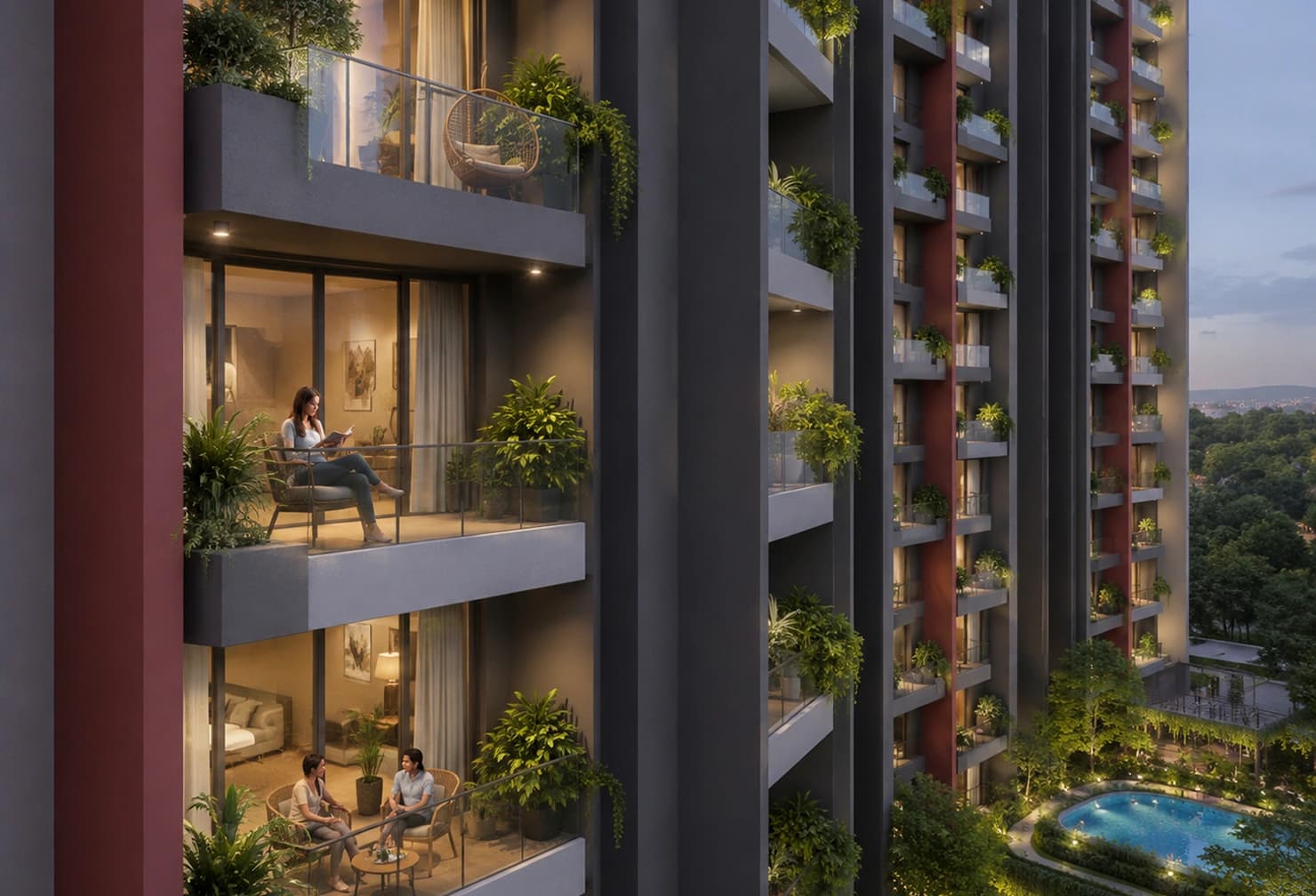
The apartment layout should also support the family when members spend more time at home. A suitable 3 BHK or 4 BHK configuration can provide space for work, study, guests and changing family needs.
Buyers can read our guide on choosing between 3 BHK and 4 BHK apartments in JP Nagar when comparing apartment sizes.
The best decision comes from looking at the complete lifestyle: the home, the project setting and the surrounding neighbourhood infrastructure.
Final Thoughts
South Bangalore’s social infrastructure can support better family living by making education, healthcare, shopping, recreation and regular travel easier to manage.
For long-term buyers, these everyday advantages may become more important than occasional premium features.
Families should evaluate the specific facilities they expect to use, test the real travel routes and consider how their needs may change over time.
Buyers searching for apartments in JP Nagar can include Codename Light of South in their shortlist and assess how its location connects with the wider social infrastructure their household depends on.
Frequently Asked Questions
What does social infrastructure mean in real estate?
Social infrastructure refers to schools, hospitals, shopping, public transport, recreation and other services that support everyday community life.
Why is social infrastructure important for families?
It can reduce travel time, support children and senior family members, and make regular routines easier to manage.
Should buyers choose a home only because facilities are nearby?
No. Buyers should also check the quality of the route, actual travel time and whether the facilities match their family’s needs.
How can buyers evaluate social infrastructure during a site visit?
They can list their regular destinations, test the routes during normal travel hours and inspect nearby schools, healthcare, shopping and recreation options.