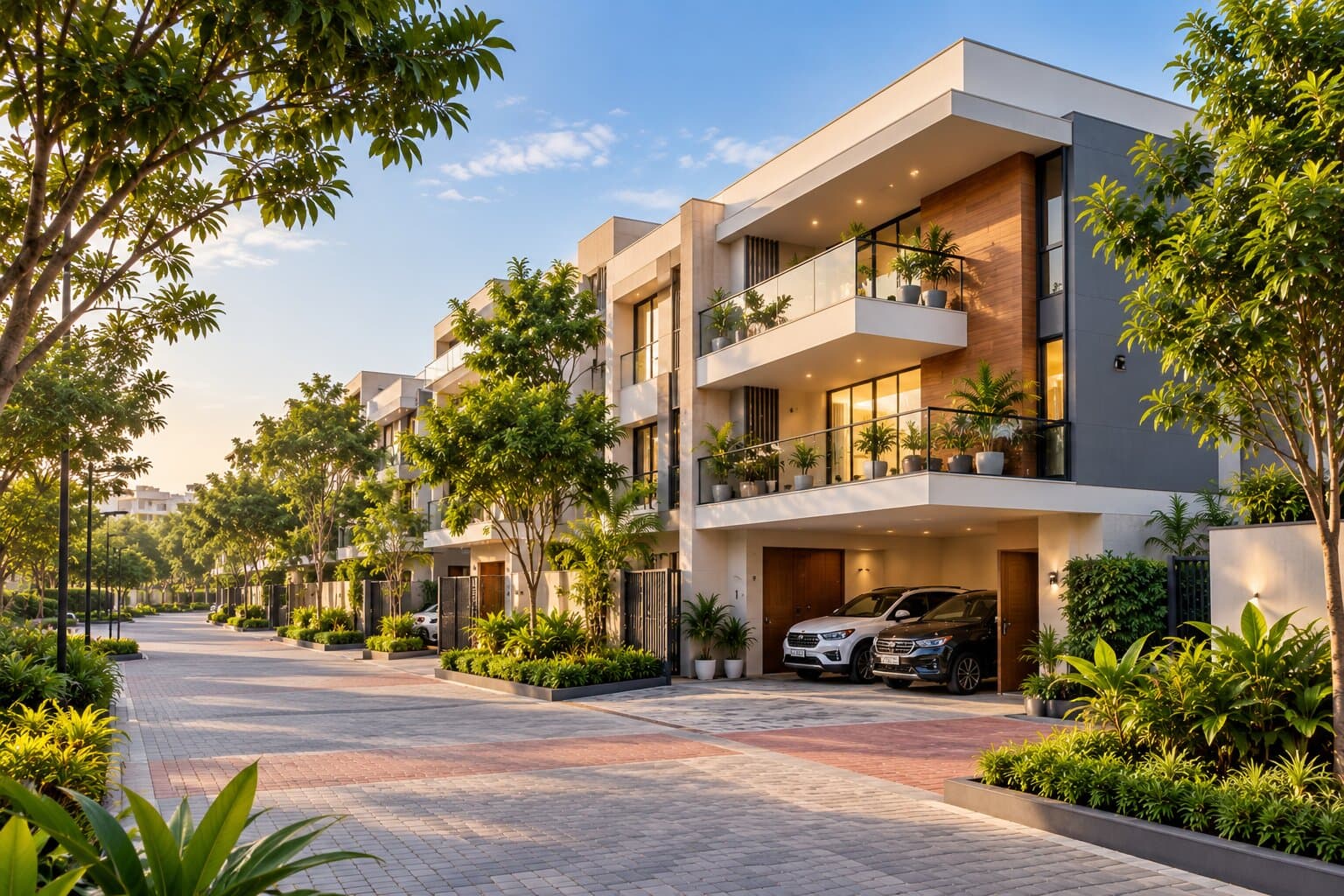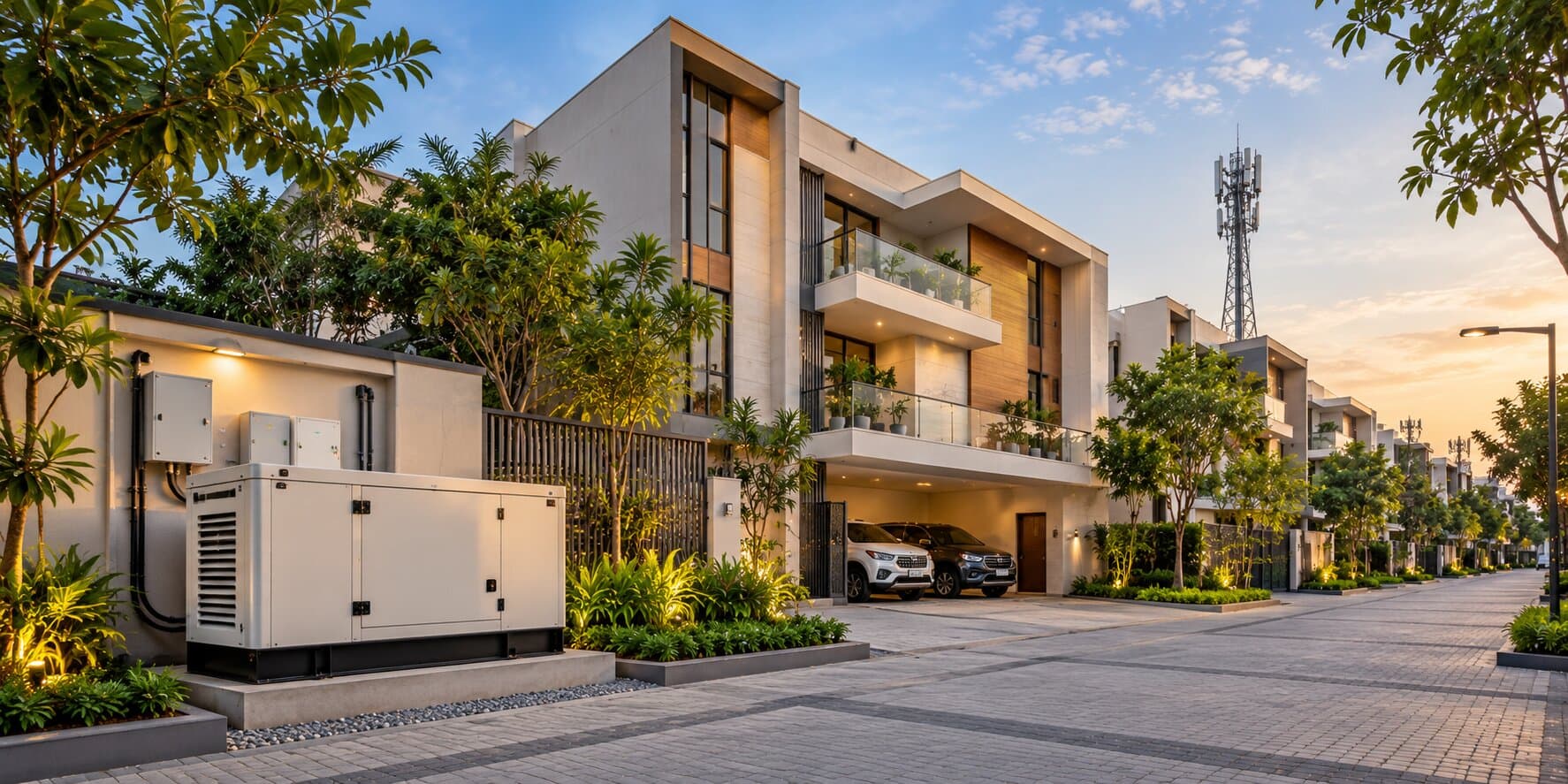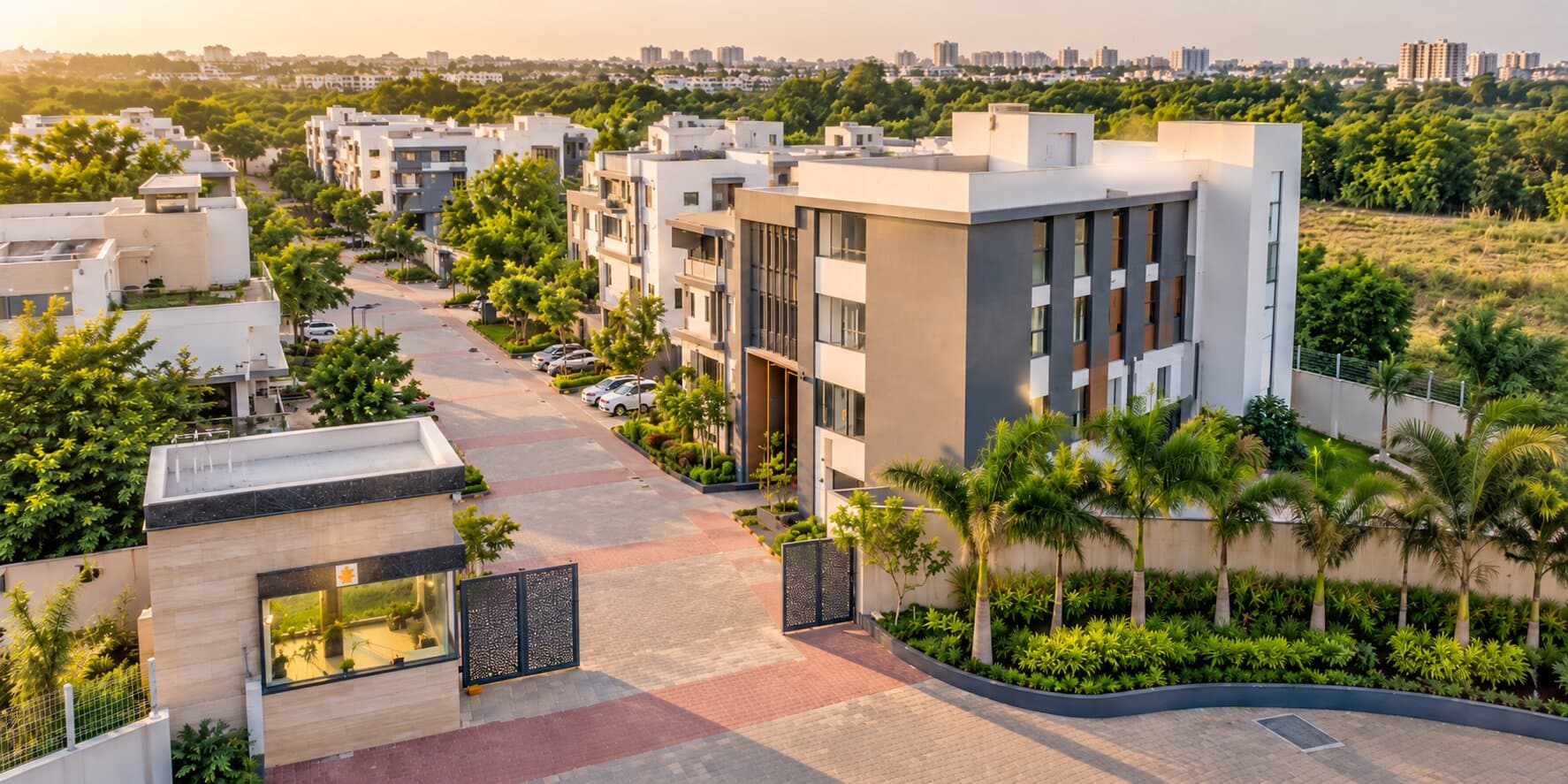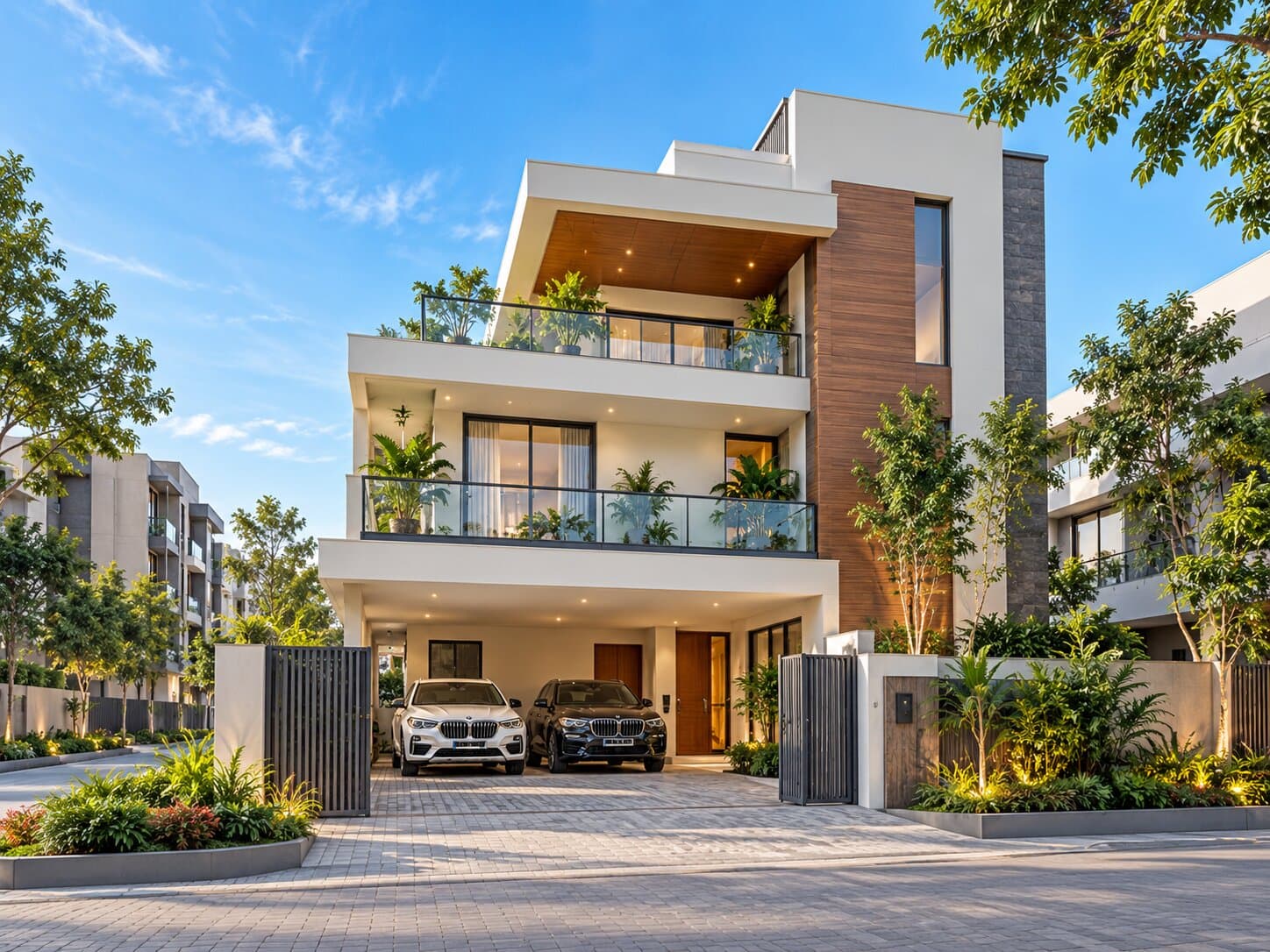
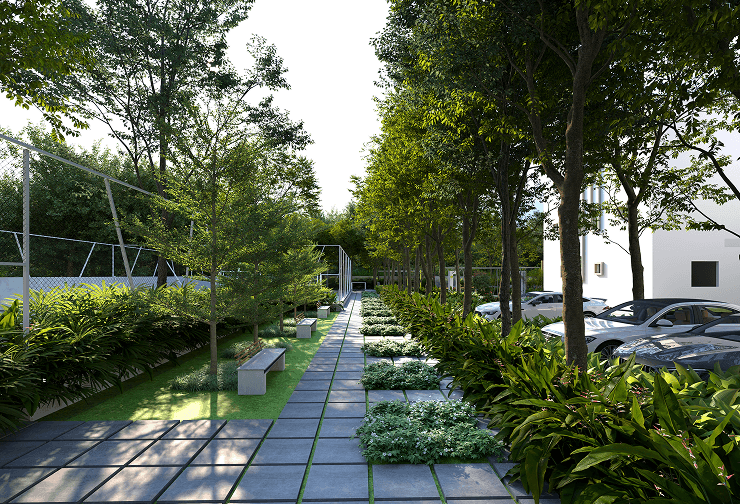
The way people evaluate homes has changed significantly in recent years. While location, connectivity, and amenities continue to influence purchasing decisions, modern homebuyers are increasingly placing greater importance on their overall living environment. One of the most valued aspects of contemporary residential communities is access to green spaces.
Landscaped gardens, parks, walking trails, tree-lined pathways, and open recreational areas are no longer considered optional additions. Instead, they have become essential features that contribute to healthier lifestyles and improved well-being.
As cities become more densely populated and lifestyles become increasingly fast-paced, access to greenery provides residents with opportunities to reconnect with nature, reduce stress, and enjoy a more balanced way of life.
Why Green Spaces Matter More Today
Urban living offers numerous conveniences, but it also comes with challenges.
Long working hours, increasing traffic, busy schedules, and growing urban density can affect both physical and mental well-being. As a result, homebuyers are becoming more conscious of the environments in which they live.
Green spaces offer a natural solution by creating areas where residents can relax, exercise, and spend time outdoors. These environments provide a welcome contrast to the demands of daily life and contribute significantly to overall quality of living.
For many families, access to green surroundings has become as important as the home itself.
Supporting Physical Health Through Outdoor Activity
One of the most direct benefits of green spaces is their ability to encourage physical activity.
When residents have access to walking trails, jogging paths, gardens, and recreational lawns, they are more likely to spend time outdoors. Regular physical activity supports cardiovascular health, improves fitness levels, and contributes to overall wellness.
Unlike indoor amenities that may only be used occasionally, outdoor spaces often become part of everyday routines.
Residents can enjoy:
- Morning walks
- Evening strolls
- Outdoor exercise
- Family activities
- Recreational sports
These activities promote healthier lifestyles while encouraging greater interaction with the surrounding environment.
Green Environments Support Mental Well-Being
The impact of green spaces extends beyond physical health.
Studies consistently show that exposure to natural environments can help reduce stress, improve mood, and enhance overall mental well-being. Green surroundings provide residents with spaces where they can relax, unwind, and temporarily disconnect from work-related pressures.
This benefit is becoming increasingly important as many professionals continue to balance demanding careers and busy lifestyles.
Access to landscaped surroundings creates opportunities for mindfulness, relaxation, and emotional recovery that contribute to long-term well-being.
Creating Better Spaces for Families
Families often benefit significantly from residential communities that prioritise green spaces.
Children gain access to safe outdoor environments where they can play, explore, and engage in physical activities. These experiences support both physical development and social interaction.
Parents appreciate having secure outdoor spaces where children can spend time away from screens while enjoying fresh air and recreational activities.
At the same time, adults benefit from opportunities to exercise, socialise, and spend quality time with family members in a comfortable outdoor setting.
This combination makes green spaces one of the most valuable components of family-oriented communities.
Encouraging Community Interaction
Well-designed outdoor spaces naturally bring people together.
Residents often meet during walks, outdoor activities, community events, or casual gatherings within shared green areas. These interactions help create stronger neighbourhood relationships and contribute to a greater sense of belonging.
Unlike indoor facilities that may be used individually, parks and landscaped areas often become social spaces where residents can connect with one another.
This sense of community contributes positively to resident satisfaction and overall quality of life.
The Role of Green Spaces in Modern Community Design
Today's residential developments are increasingly designed around lifestyle considerations rather than simply maximising built-up area.
Developers recognise that open spaces and landscaping contribute significantly to the resident experience. As a result, many modern communities allocate substantial areas to greenery, recreational zones, and outdoor gathering spaces.
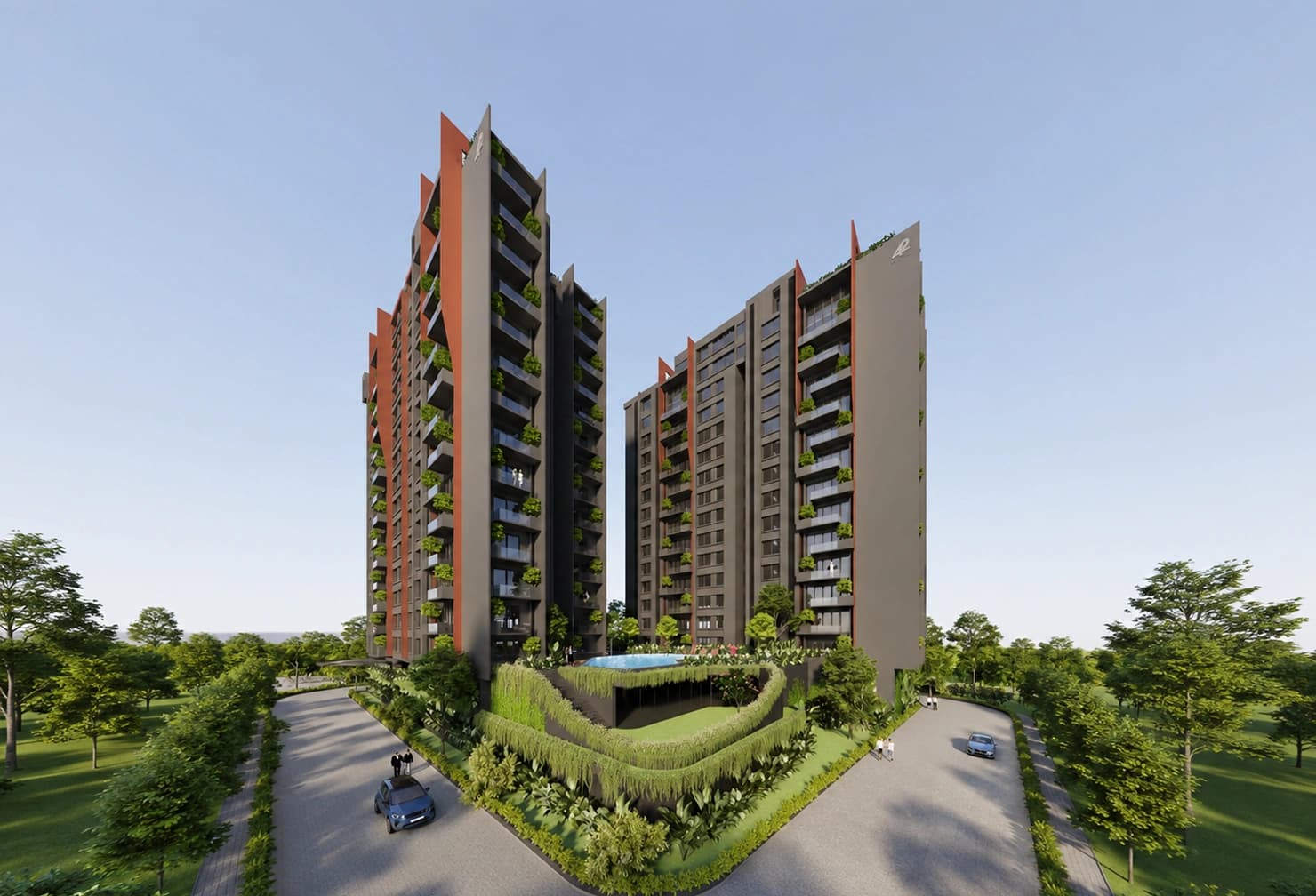
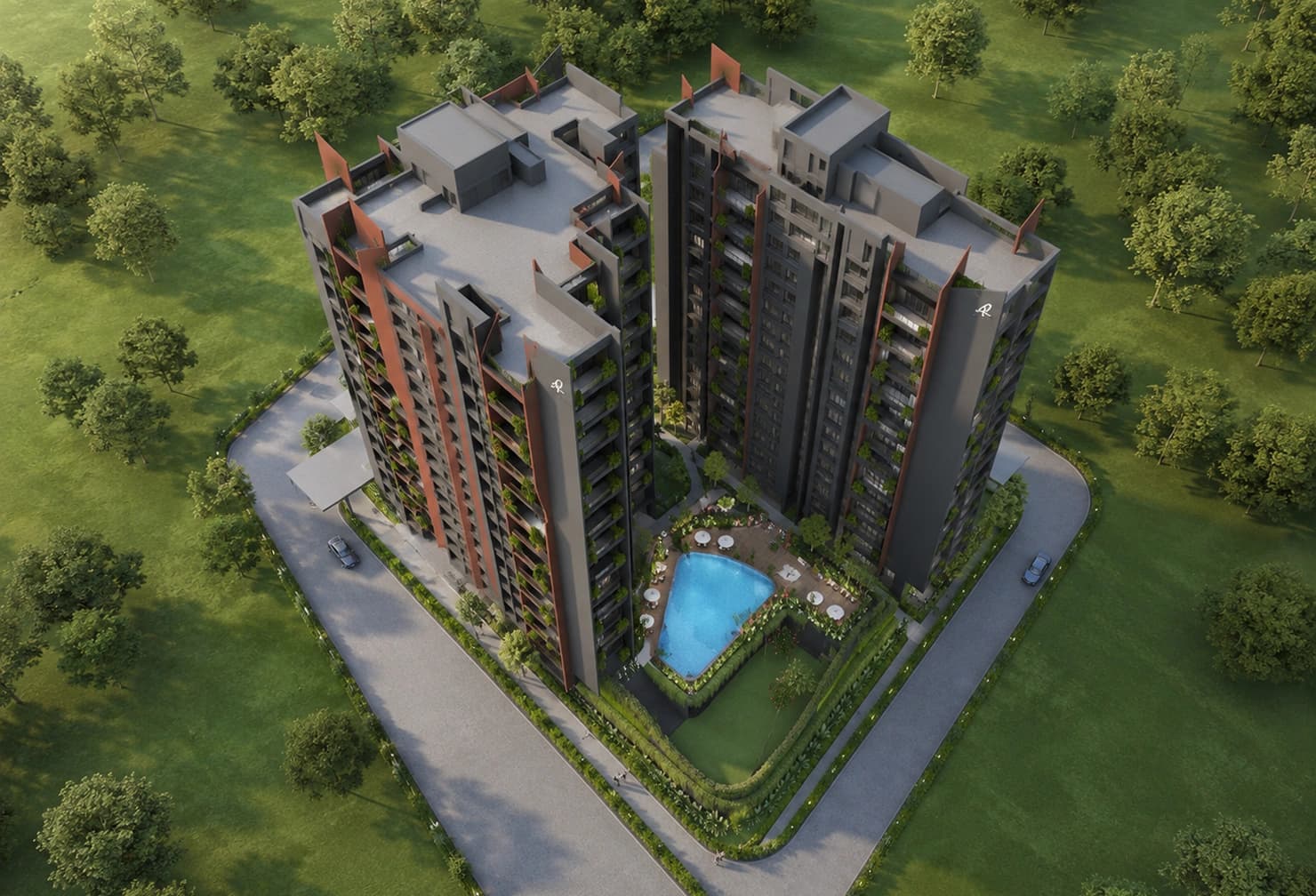
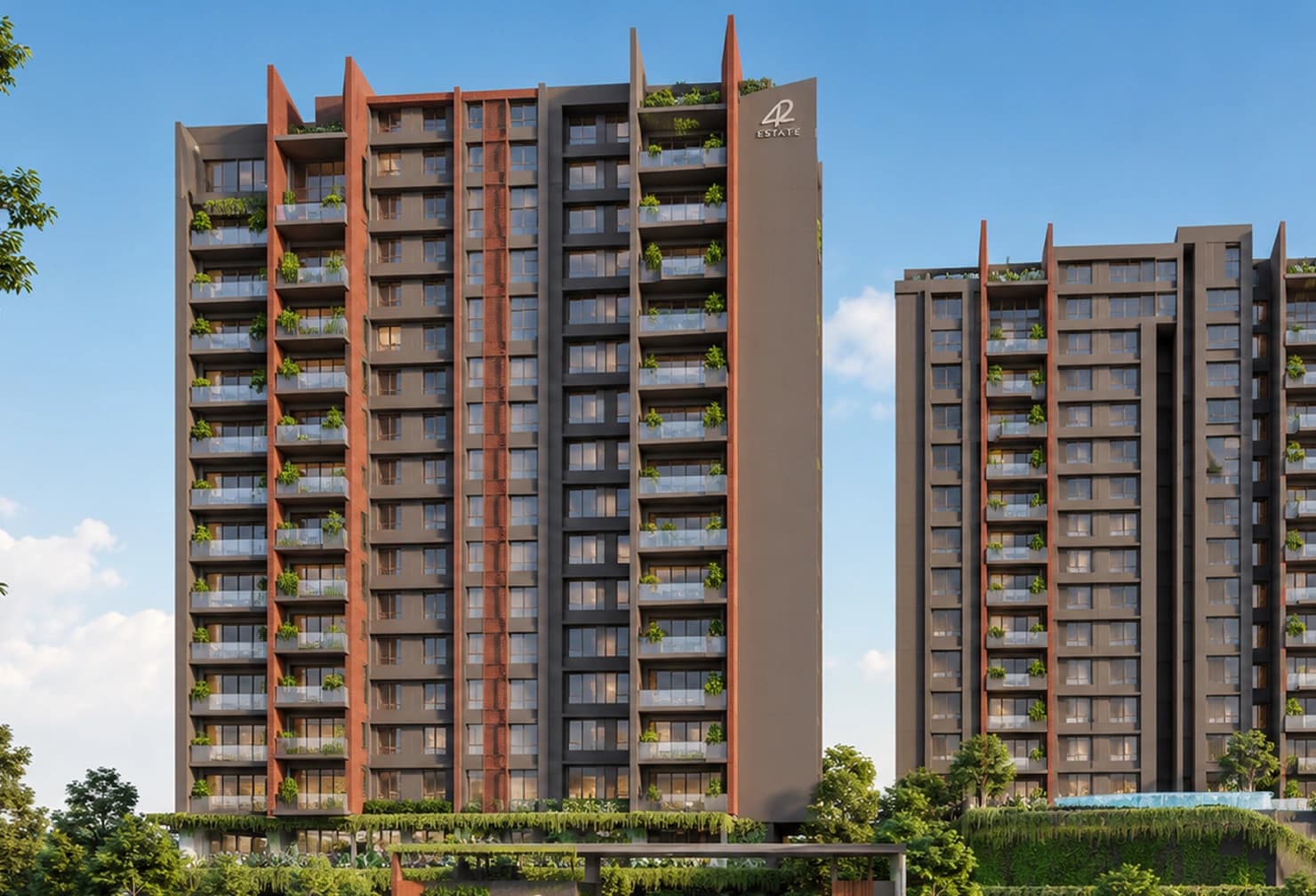
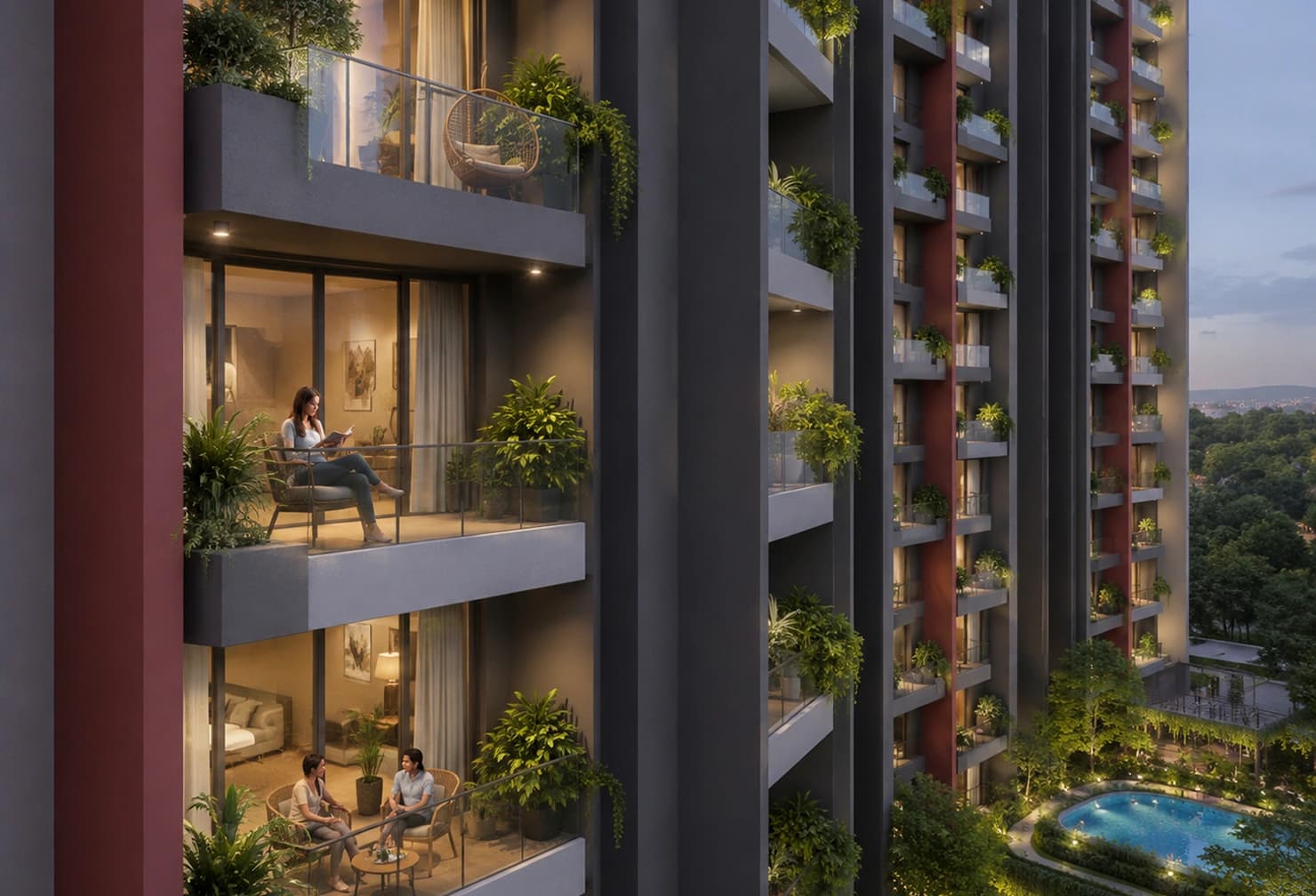
Projects such as Between The Greens reflect this approach by integrating green surroundings into the overall community environment rather than treating them as secondary features.
Thoughtful planning ensures that residents can benefit from outdoor spaces as part of their daily lives.
Why Open Spaces and Green Spaces Work Together
While open spaces and green spaces are often discussed separately, they are closely connected.
Open spaces provide room for movement, recreation, and social interaction, while green spaces enhance these environments through landscaping, vegetation, and natural elements.
Together, they contribute to:
- Better air quality
- Improved visual appeal
- Greater resident comfort
- Enhanced outdoor experiences
- Stronger community engagement
The importance of these features is explored further in Why Open Spaces Matter More Than Amenities for Modern Homebuyers, where the role of outdoor environments in residential living is examined in greater detail.
Supporting Work-Life Balance
As hybrid and remote work models continue to influence lifestyles, access to green spaces has become increasingly valuable.
Many professionals now spend more time within their residential communities. Outdoor environments provide opportunities to take breaks, exercise, and recharge throughout the day.
Simple activities such as walking through a landscaped garden or spending time in a shaded outdoor area can help reduce stress and improve focus.
Green spaces contribute to healthier routines that support both professional productivity and personal well-being.
Environmental Benefits of Green Spaces
In addition to supporting residents, green spaces also contribute to environmental sustainability.
Vegetation can help:
- Reduce heat absorption
- Improve air quality
- Support biodiversity
- Manage rainwater runoff
- Create more comfortable microclimates
These benefits improve the overall residential environment while supporting broader sustainability goals.
Communities that prioritise greenery often provide a more pleasant and environmentally responsible living experience.
Why Homebuyers Are Prioritising Green Communities
Modern buyers increasingly evaluate communities based on the quality of their outdoor environments.
Factors such as:
- Landscaped gardens
- Tree cover
- Walking trails
- Recreational lawns
- Outdoor gathering spaces
are becoming important considerations during the home-buying process.
This shift reflects a broader desire for healthier, more balanced lifestyles that combine urban convenience with access to nature.
Homebuyers exploring Villas for Sale in Bangalore are increasingly evaluating the quality of outdoor environments before making a purchasing decision. Communities that prioritise greenery and open spaces often create a healthier and more enjoyable living experience.
As residential preferences continue to evolve, green spaces are likely to remain a major influence on purchasing decisions.
Green Spaces and Long-Term Property Appeal
Residential communities that prioritise landscaping and outdoor environments often maintain strong appeal over time.
Well-maintained green areas contribute to:
- Higher resident satisfaction
- Improved community aesthetics
- Stronger buyer interest
- Enhanced long-term desirability
These factors can support sustained demand within residential communities.
While property values are influenced by multiple variables, communities that successfully combine connectivity, planning, and greenery often remain attractive to future buyers.
The Growing Appeal of Varthur
Locations that support community-oriented living are increasingly attracting homebuyer attention.
Varthur has emerged as one of East Bangalore's promising residential destinations because it offers access to employment hubs while providing opportunities for more spacious and thoughtfully planned residential communities.
The factors driving demand in the area are explored further in Top Factors Driving Property Demand in Varthur, which highlights the area's growing residential appeal.
As the locality continues to develop, communities that prioritise open spaces and greenery are likely to attract increasing buyer interest.
The growing demand for Luxury Villas in Bangalore has also contributed to the popularity of well-planned communities in Varthur, where buyers seek a balance between connectivity, comfort, and access to nature.
What Homebuyers Should Evaluate
When assessing a residential community, buyers should consider:
- Availability of green spaces
- Accessibility of outdoor areas
- Landscaping quality
- Walking and jogging infrastructure
- Children's outdoor facilities
- Long-term maintenance standards
- Overall community planning
Evaluating these factors helps ensure that residents can enjoy the long-term benefits associated with well-designed outdoor environments.
Conclusion
Green spaces have become one of the most important elements of modern residential communities. They contribute to physical health, mental well-being, family interaction, environmental sustainability, and stronger community relationships.
As homebuyers increasingly prioritise lifestyle quality, access to greenery is becoming just as important as location, amenities, and connectivity. Communities that successfully integrate outdoor environments into everyday living create healthier, more enjoyable residential experiences.
For families seeking a balanced lifestyle, thoughtfully planned communities such as Between The Greens demonstrate how green spaces can enhance daily life while supporting long-term well-being. As residential preferences continue to evolve, greenery and open spaces will remain central to the future of community living.