Introduction
At some point in every villa or premium flats search, things start to feel repetitive.
- Location - checked.
- Budget - defined.
- Amenities – compared.
- Floor plan - reviewed.
And yet, even after all that, something still feels unclear.
Because the truth is, most buyers don’t make mistakes on the obvious things. They focus on the details that don’t show up in brochures or site visits.
The kind of things you only notice after moving in. This is where the difference between a “good-looking apartment” and a “good decision” really starts to show.
The space looks big. But how much of it do you actually use?
Most of the apartment layouts are designed to impress.
Double-height living rooms, long corridors, and decorative voids – all of these create a sense of scale. And during a visit, it works. But step back for a second.
How much of that space is actually usable in your day-to-day life?
You will notice some homes feel spacious but don’t necessarily function better. Large areas without purpose. Corners where nothing really fits. Outdoor patches which look attractive are too narrow to use meaningfully.
This is where smart buyers pause. They stop looking at size and start looking at usability.
Interestingly, this is also why some buyers start reconsidering options like 3 BHK apartments for sale in JP Nagar—not as a downgrade, but as a more efficient use of space within a well-established layout.
Where your flat sits matters more than the flat itself
Two flats in the same project can feel entirely different.
One might face an internal road with minimal movement. Another might sit close to the entrance where traffic never really settles. One might have open space around it. Another might eventually be surrounded by future phases.
But during a site visit, the issue does not always stand out. Because you are looking at the home, not the position. Smart buyers look at both. They ask:
- What’s coming up next to this unit?
- Is this a temporary open space or a future construction zone?
- How close is it to the main movement areas of the community?
Because these small positioning differences shape your everyday experience far more than the design itself.
Light and ventilation don’t show up in brochures
Every project claims to offer “well-ventilated homes". But actual ventilation is something you feel, not something you read. Spend enough time inside a flat, and you will start noticing patterns:
- Some homes stay bright through the day without artificial lighting
- Some trap heat by afternoon
- Some allow cross-ventilation
- Others feel closed despite having multiple windows
These are not design flaws. They are orientation decisions. And they directly affect comfort. It is one of those things people overlook during visits and notice in the first week of living there.
The project you see is not always the final version
This is one of the more subtle realities. Many apartment communities are built in phases. This means that what you see today is often just phase one of a larger plan.
- That open stretch next to your flat? It might be another set of units later.
- That quiet road? It might become a connecting route.
- That empty plot? Already planned, just not built yet.
This does not make the project unreliable. But it does mean your current experience might evolve. Smart buyers don’t just evaluate what exists. They try to understand what’s coming next.
Infrastructure is where real comfort comes from
Clubhouses, pools, and landscaped gardens— they all matter. But they don’t define daily living.
Infrastructure does.
- Water supply consistency.
- Drainage systems.
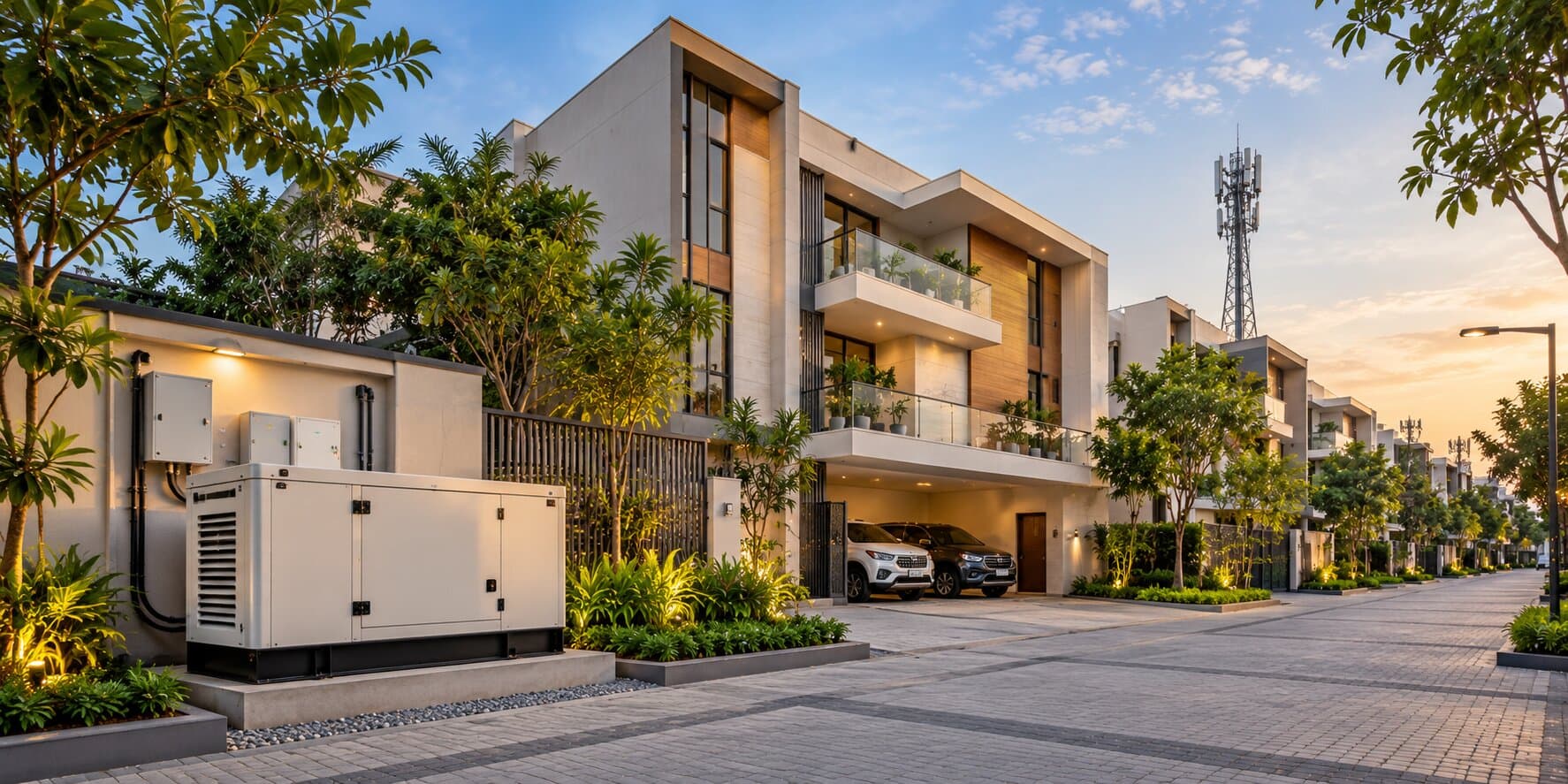
- Power backup reliability.
- Road quality inside and outside the project.
These are the things you don’t notice when everything works but feel immediately when something doesn’t. And they are rarely explored deeply during site visits.
This is also why some buyers, after exploring multiple options, revisit more established pockets and look at apartments for sale in JP Nagar, Bangalore. This is because infrastructure in certain areas already feels dependable.
The last kilometre matters more than the location pin
On maps, everything looks accessible. In reality, the last stretch of your commute defines your daily experience. That final 1 to 2 km:
- Is the road properly laid?
- Does it flood during rains?
- Does traffic build up at certain junctions?
These are not major obstacles at first glance. But over time, they shape how convenient or frustrating your location feels.
And this is something no brochure highlights clearly.
Construction quality is not the same as visual finish
Polished tiles, smooth walls, and premium fittings – they create a strong first impression. But they don’t tell you everything.
What sits underneath matters more:
- waterproofing quality
- plumbing layout
- structural detailing
- material consistency
These are harder to assess, but far more important in the long run. Because surface finishes can be changed. Structural issues can’t.
Conclusion
Most buyers don’t get the big things wrong. They get the subtle things overlooked.
The kind of details that don’t stand out in the beginning but quietly shape your experience every single day after you move in.
And this is really what this stage of the search is about. We are moving beyond what looks good and starting to notice what actually works.