Introduction
There was a time when home and work lived in completely separate worlds.
You left one to go to the other. Your house was where you paused, not where you performed. It was designed for rest, for family time, for everything that happened after work.
That line does not exist anymore.
Today, work shows up at your dining table, your spare room, sometimes even your balcony. Calls, deadlines, ideas - they have all moved in. And without making too much noise, this has started to change something fundamental.
Not just how we live - but how homes are designed.
When Space Started Doing More Than One Job
At first, it felt temporary. A laptop on the table, a chair pulled into a quiet corner. People adjusted and assumed things would go back to how they were.
But they didn’t.
Over time, the “adjustment” became routine. And routine slowly became an expectation.
Now, a home is expected to support productivity, focus, and balance. The same space has to transition from a morning meeting to an evening unwind without feeling strained.
And this shift has made buyers look at homes very differently.
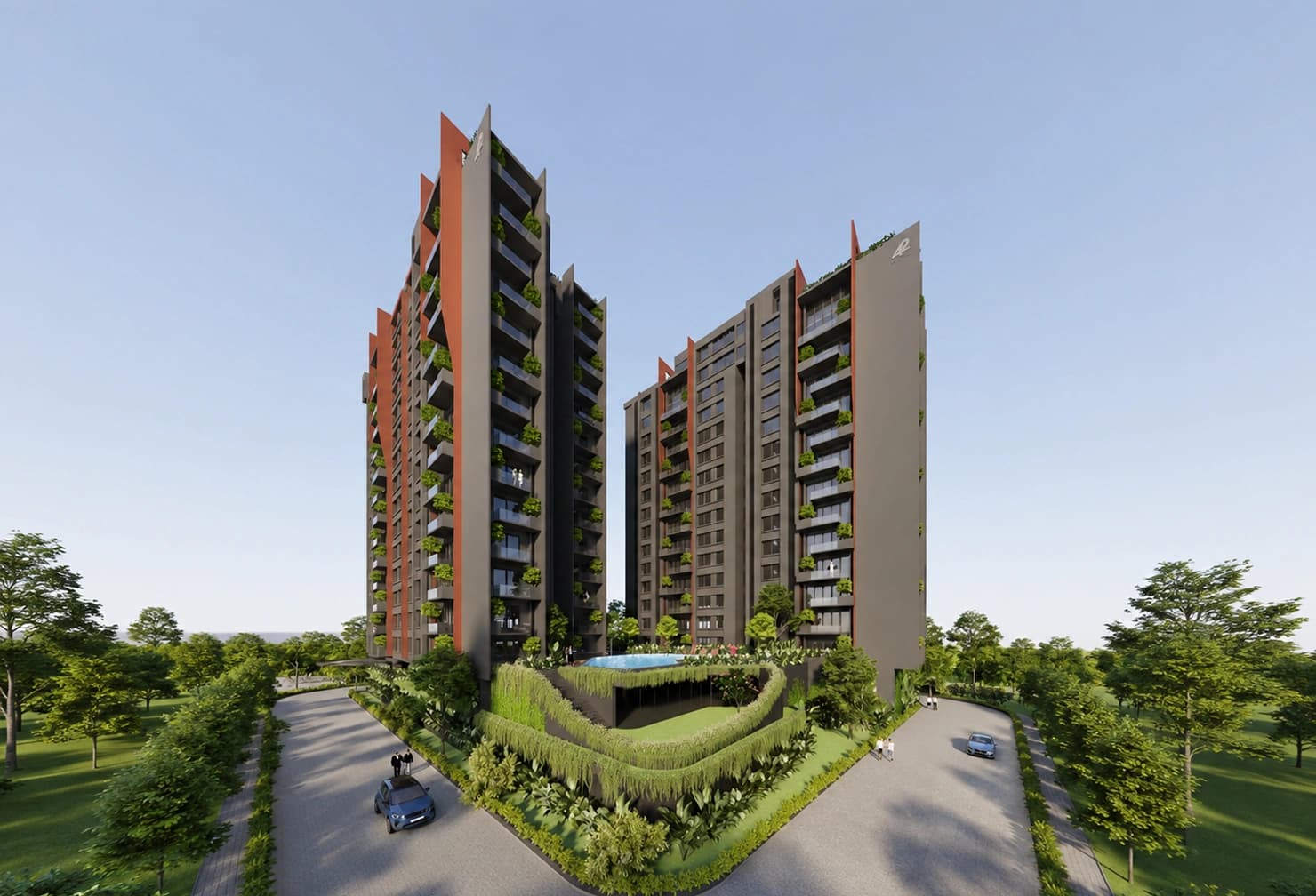
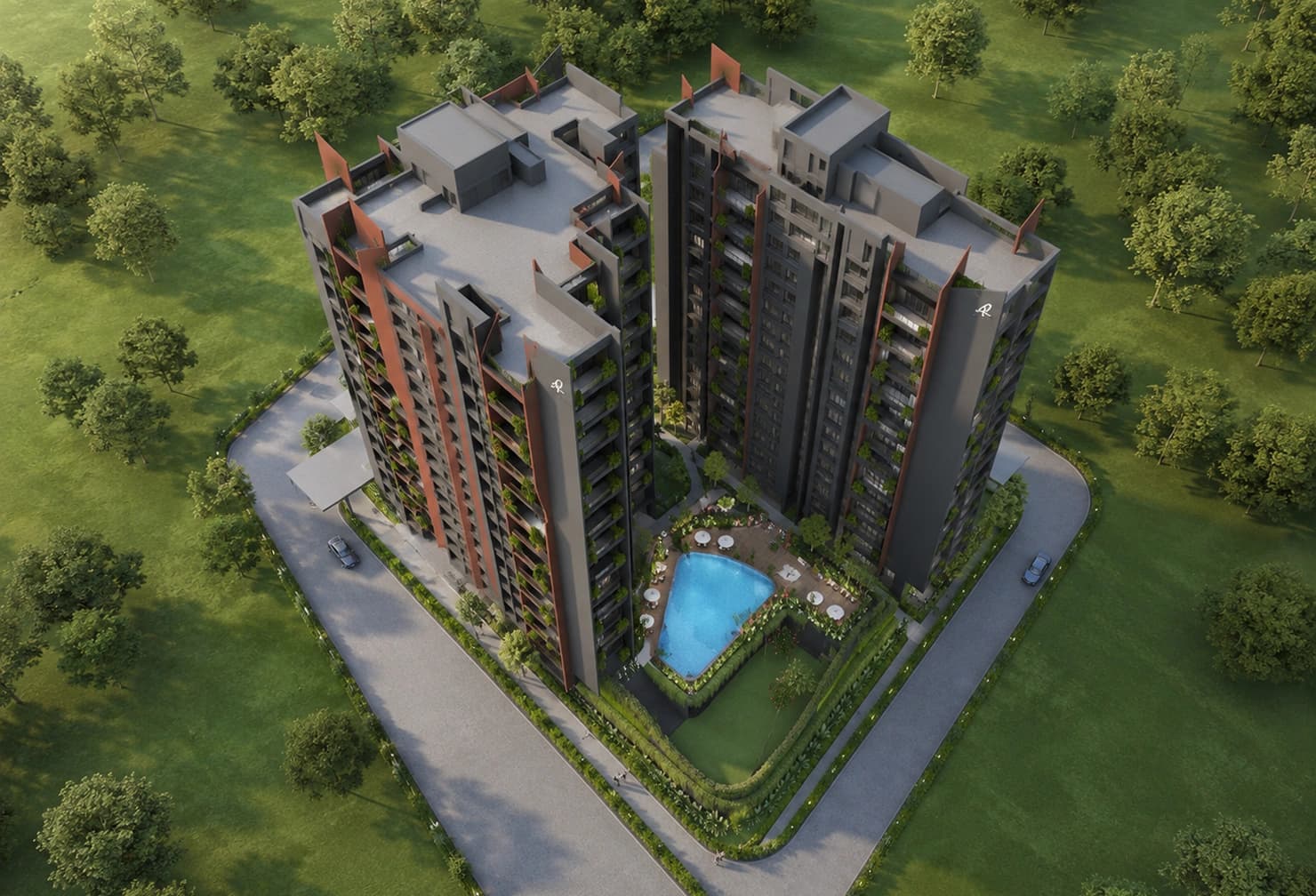
Especially for those exploring flats for sale in JP Nagar Bangalore, the question is no longer just how big is the space? It is how well does this space adapt to my day.
Privacy Became a Design Priority
The first thing people realised while working from home was how important separation is. Not luxury level separation. Just enough to think clearly.
A peaceful corner that feels like your own. A space where calls don’t overlap with everyday noise.
Homes once felt perfectly adequate suddenly started feeling a bit too open, a bit too shared.
This is where design started evolving.
- Flexible rooms instead of fixed layouts
- Corners that can double as work zones
- Layouts that allow quiet without isolation
It is subtle, but it changes how comfortably you can move through your day.
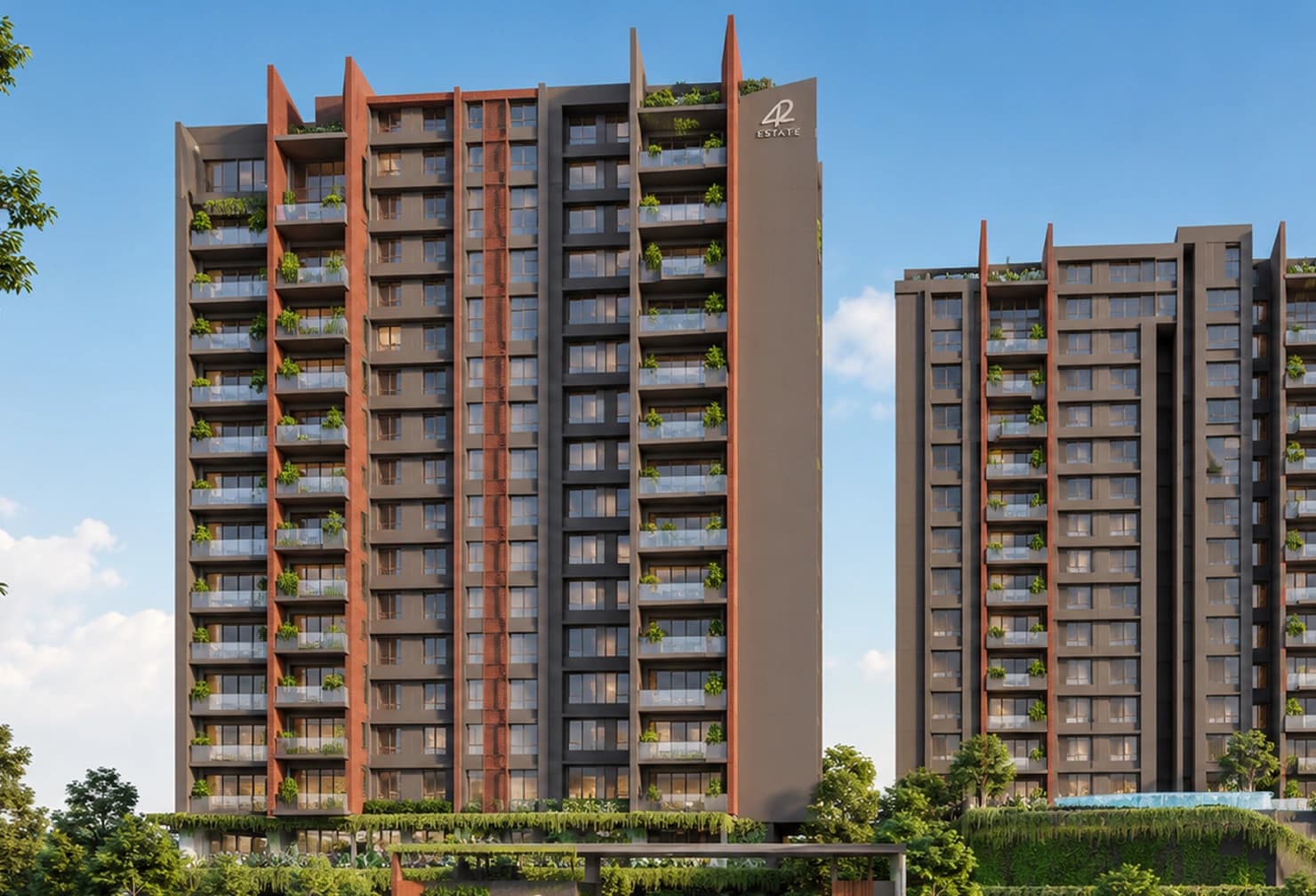
For families considering 3 BHK apartments for sale in JP Nagar, this flexibility is no longer a bonus. It is expected. One room becomes a workspace, a thinking space, a buffer between personal and professional life.
Light, Air, and the Way a Space Feels
It became more noticeable when people started spending entire days at home, the feel of a space.
Not just how it looks, but how it holds you through the day.
Natural light stopped being an aesthetic feature and started becoming essential. Ventilation was about staying energised. Even the direction a room faced began to matter more.
Because when you are in a space for hours, small things don’t stay small.
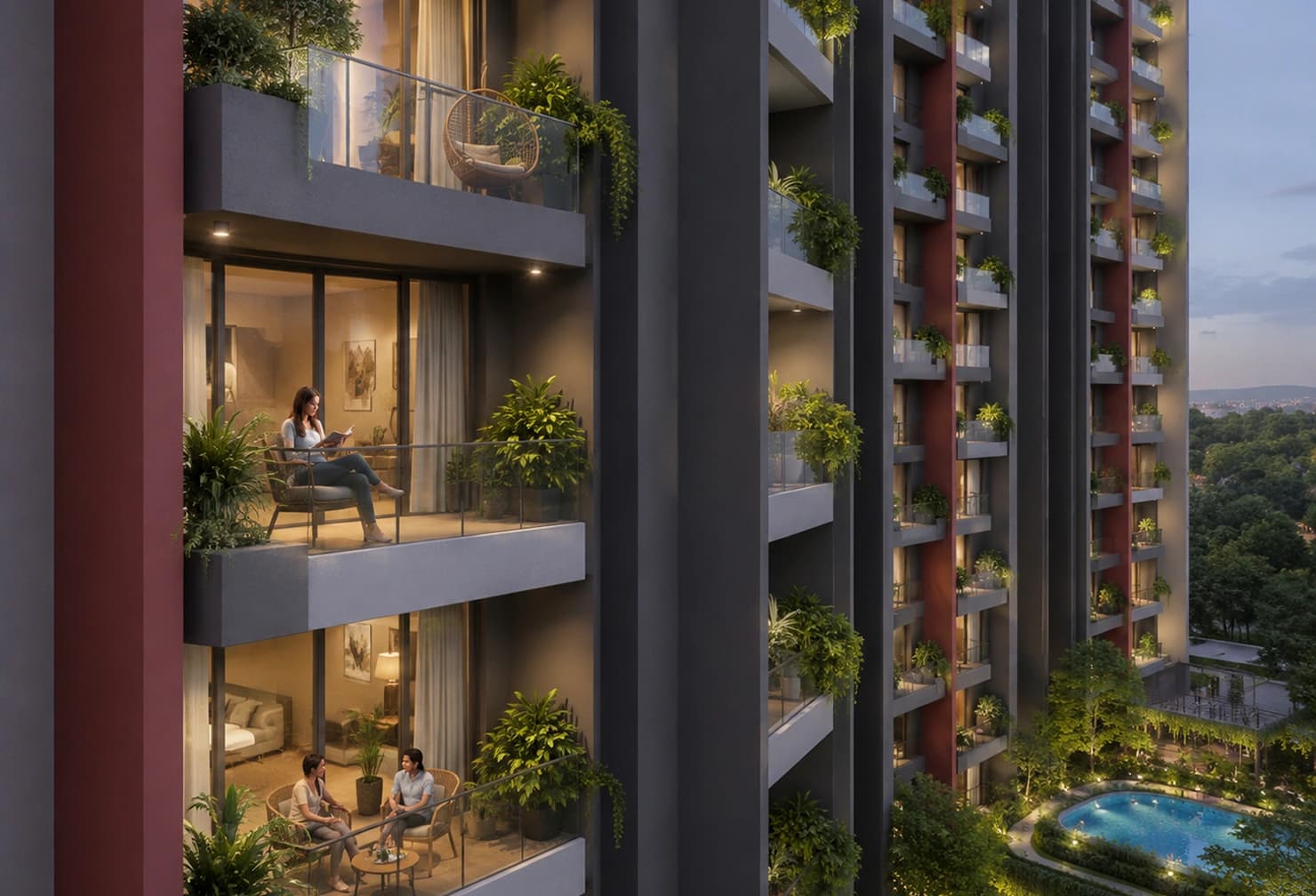
A well-lit corner can carry you through long work hours. A balcony becomes more than an add-on. It becomes a reset.
Homes that get this right don’t feel restrictive. They feel like they move with you.
The Rise of “Work-Ready” Homes
Developers and planners have started paying attention to this shift, not loudly, but clearly.
You will notice it in:
- More thoughtful layouts
- Better use of transitional spaces
- Homes that don’t feel over designed, but well considered
The idea is to make sure they don’t resist work when it happens.
This is the reason demand around apartments for sale in JP Nagar Bangalore continues to hold steady. Established neighbourhoods already offer the kind of environment which supports this lifestyle - less chaos, better surroundings, and homes that feel grounded rather than rushed.
Work Life Balance Is Now a Spatial Decision
Earlier, balance was something you tried to manage with time.
Now, it is something your home either supports or doesn’t.
If your environment feels cluttered, work feels heavier. If your surroundings allow movement, light, and pause, your day flows better.
This is where design quietly plays its role.
A home that allows you to step away for a few minutes without actually leaving it. A space that gives you a sense of separation, even within the same walls.
These are not dramatic features. But over time, they define how sustainable your routine feels.
It’s Not About More Space - It’s About Better Use of It
A biggest misconception is that working from home demands larger homes.
Not necessarily.
What it demands is smarter use of space.
A well-designed 3 BHK allows flexibility and often works better than a larger home with rigid layouts. The way walls are placed, how rooms connect, how natural light moves- these details matter more than square footage alone.
And this is exactly where buyer expectations have evolved. It is no longer about owning more space. It is about owning space that works.
The Way We Choose Homes Has Already Changed
If you look closely, this shift is already visible.
Buyers are asking different questions.
They are noticing different things.
They are spending more time understanding how a home feels.
And in places like JP Nagar where neighbourhoods are already stable and well established. This shift becomes even more meaningful. The surroundings support the home, and the home supports the lifestyle.
It all starts to come together.
Final Thoughts
The change didn’t happen overnight. There was no single moment where everything shifted.
But somewhere along the way, homes stopped being just a place to return to. They became a place to function, to think, to create, and to pause.
And this has quietly redefined what good design means.
Because today, a well-designed home is not the one which looks impressive for a moment. It is the one which supports you through an entire day without friction.
The home has changed and so has the way we design it.