Introduction
Bangalore doesn’t expand in straight lines.
It stretches, pauses, shifts direction – and then suddenly, a location that felt “far” a few years ago starts showing up in serious buying conversations.
This is precisely what’s happening with the community living in the city right now.
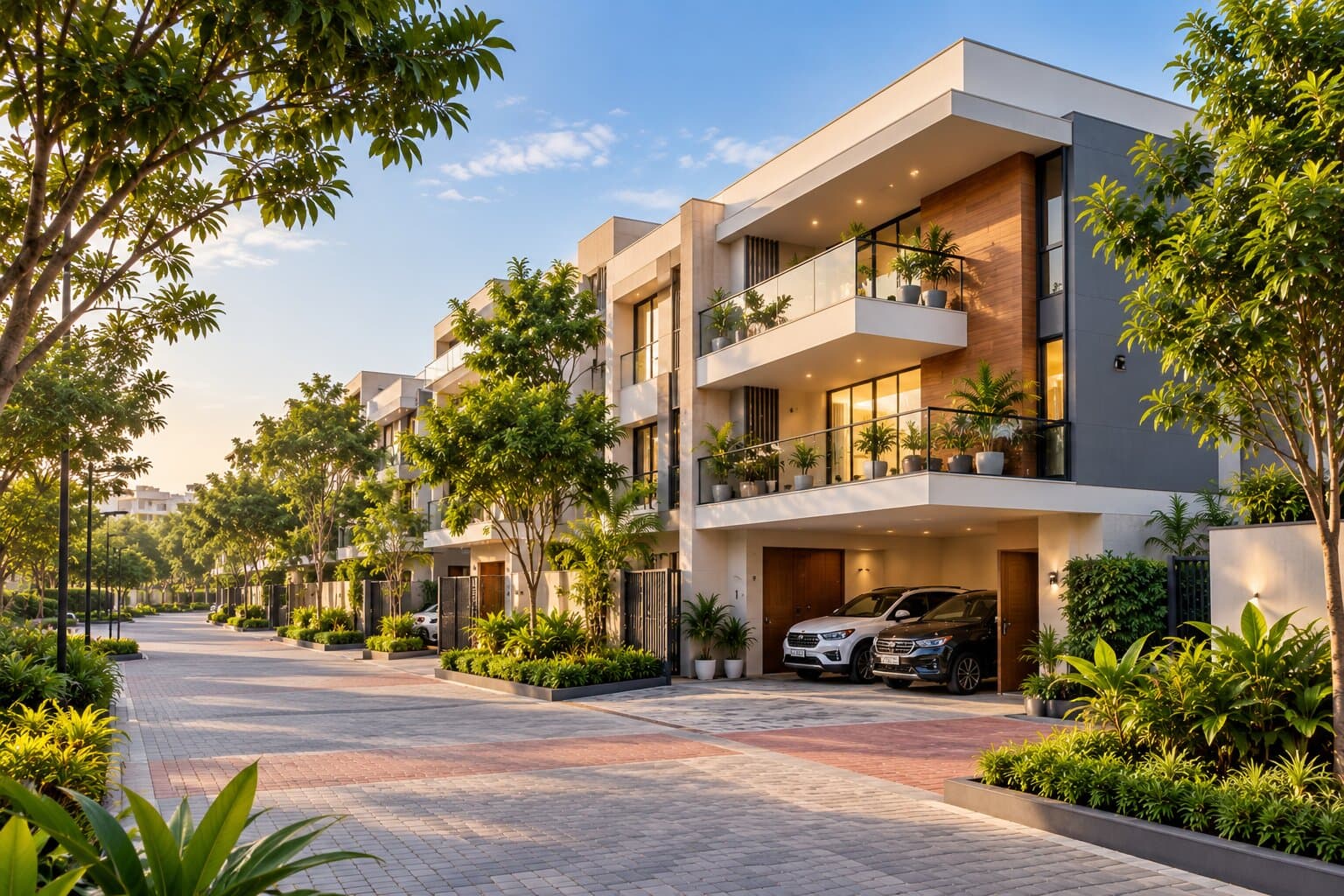
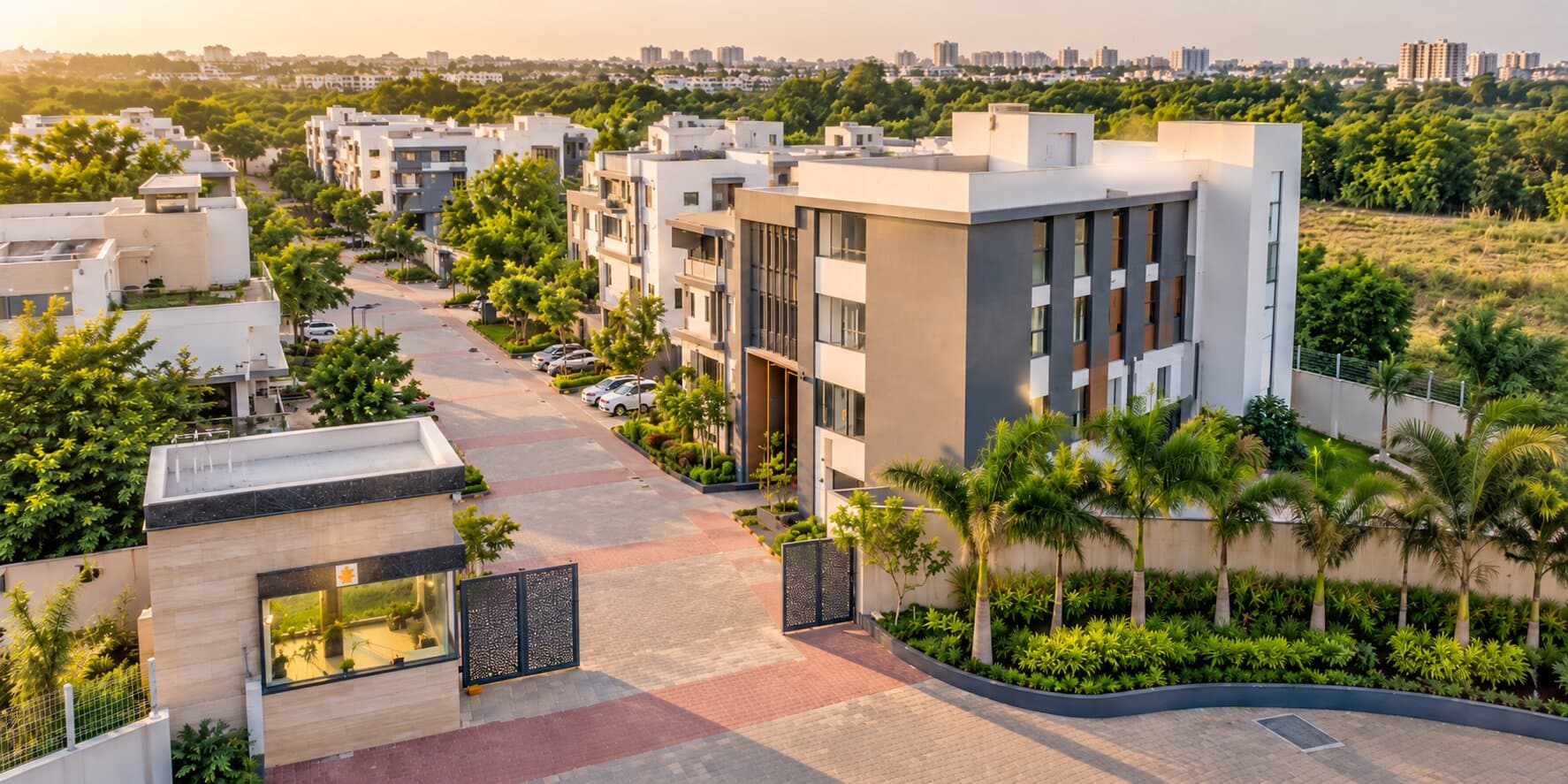
It is no longer limited to one side or one kind of buyer. Instead, it is spreading across micro-markets, each offering a very different version of what “community life” actually means.
Some are driven by IT growth. Some by land availability. And some people are stepping away from chaos and choosing stability.
If you are trying to figure out where community living actually makes sense today, the answer is not one location. It’s understanding how different pockets are evolving.
Varthur - The “still growing, still figuring itself out” zone
Varthur sits in that in-between phase.
It is no longer undiscovered, but it’s not fully settled either.
The biggest driver here is obvious: proximity to Whitefield and the larger IT belt. It naturally brings demand. Developers follow demand. And villa communities start appearing where land still allows it.
But here is what you notice when you spend time in the area.
Growth feels active, not complete.
Roads are improving in some areas, and social infrastructure is catching up. Some villa projects feel thoughtfully planned. This doesn’t make Varthur a bad choice. It just makes it a timing-sensitive one.
People buying here are usually thinking ahead – 2 to 5 years, not immediate lifestyle comfort.
Whitefield - From IT hub to structured residential ecosystem
Whitefield has gone through its messy phase already.
Traffic, overbuilding, and infrastructure lag – it has all been part of the journey. But what’s happening now is a slow correction. Metro connectivity, better road planning, and stronger social infrastructure are turning it into something more stable.
For villa buyers, Whitefield is slightly different.
The government limits large land parcels. So villa communities here tend to be more premium, more planned, and priced accordingly.
This is why buyers looking at Whitefield villas are usually less price sensitive and more focused on long-term value and location strength.
Kanakapura Road: The quiet long-term bet
If Varthur feels active and Whitefield feels established, Kanakapura Road feels patient. This is where buyers come when they don’t want to rush the decision.
Metro expansion has changed the perception of this stretch. What once felt disconnected now feels gradually linked to the city’s core.
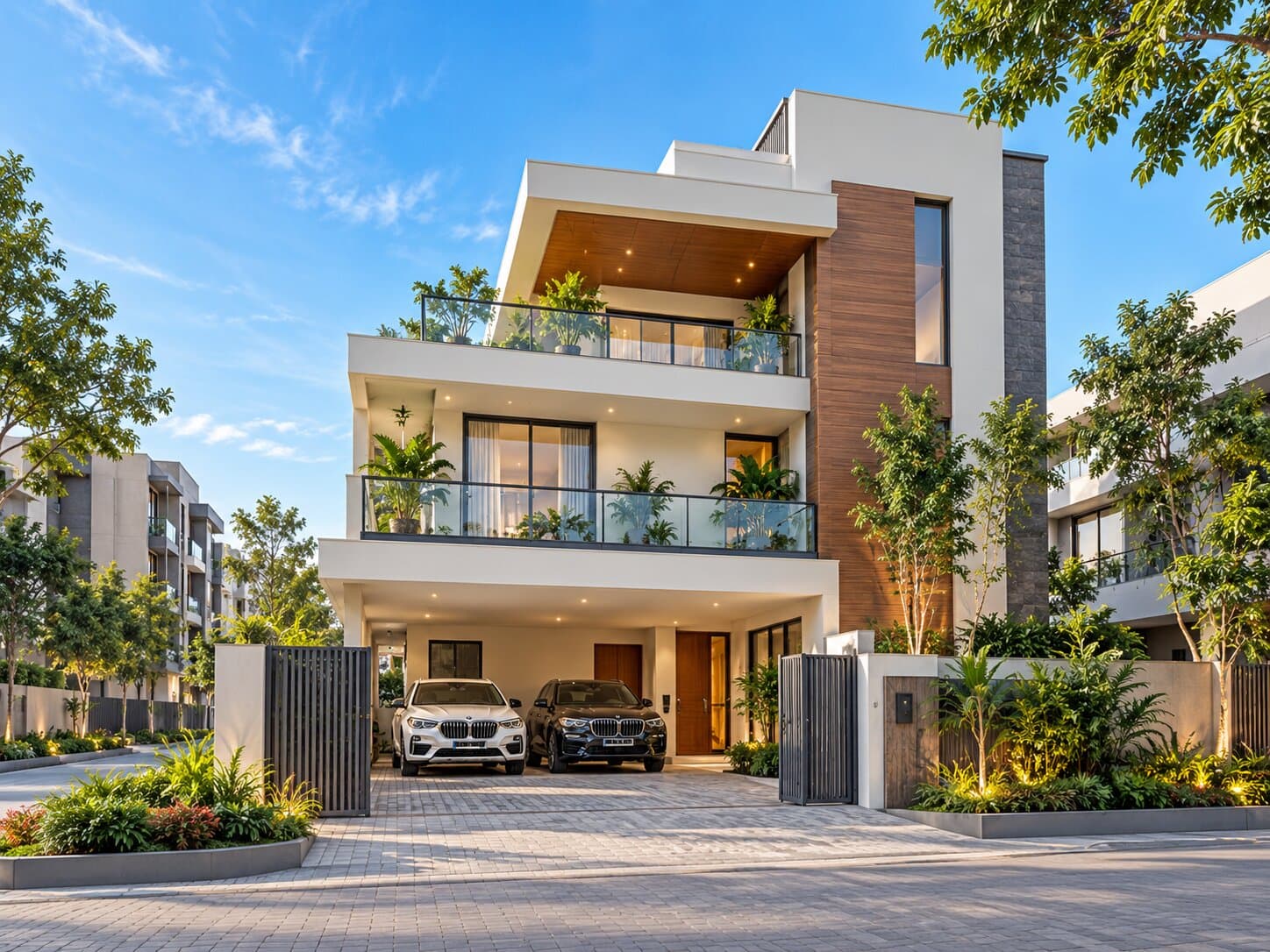
Villa developments here benefit from something simple yet powerful: space. Wider layouts, better internal planning, less immediate density pressure.
But the trade-off is pace.
This area does not move fast. It builds steadily. So the people buying here are usually okay waiting for full ecosystem maturity.
They are not chasing appreciation headlines. They are building a long-term living environment.
Sarjapur Road - Demand that refuses to slow down
Sarjapur is one of those markets where demand doesn’t really pause.
It keeps absorbing everything, like apartments, villas, and plotted developments. The reason is straightforward. It connects too many important zones like Outer Ring Road, Electronic City, and Whitefield. That makes it relevant to multiple working clusters at once.
For villa living, this creates a slightly different situation.
Land gets optimised faster. Communities get denser. Pricing moves quickly.
So while villa options exist, they come with a certain urgency: either you enter early, or you end up paying a premium later.
Buyers here are usually decisive. They know why they are choosing the area, and they move fast.
JP Nagar - The “already settled, still evolving” pocket
JP Nagar does not behave like the others on this list. It is not emerging in the typical sense. It does not need to prove itself.
And yet, it is quietly becoming part of this community-living conversation again. Why? Because a certain segment of buyers is moving away from uncertainty.
After exploring newer corridors, dealing with long wait times, or second-guessing future infrastructure promises, they come back to places that already work.
JP Nagar offers just that.
Established roads. Functional social infrastructure. Familiar residential character. But here is where it gets fascinating. Villa demand here is about selective, well-planned developments or redevelopment-led communities.
And often, buyers who initially explored larger formats elsewhere end up considering alternatives here, either flats within smaller communities or even premium apartments offering similar space advantages.
This is why people who have already explored more “emerging” zones are now recalibrating their expectations.
So what does “emerging” really mean now?
It used to mean early-stage development. Today, it means something more layered.
- In Varthur, it means active growth with some unpredictability
- In Whitefield, it means maturity catching up with infrastructure
- In Kanakapura Road, it means slow, steady, long-term potential
- In Sarjapur, it means 'high-pressure demand'.
- In JP Nagar, it means rediscovery of stability
Each of these is “emerging” in its own way. Not all of them will suit the same buyer.
Conclusion
Community living in Bangalore is no longer about finding one perfect location. It is about understanding what kind of growth you are comfortable stepping into.
Some people are okay entering early and waiting for things to settle. Others prefer walking into a place where life already feels structured.
Neither approach is better.
But mixing them up, this is where most buyers get stuck.
If you start seeing these micro-markets for what they really are, the decision becomes less about chasing the next big location and more about choosing the kind of life you want to build around it.